ArchivesChrisVanVliet.com

Paul Wight on leaving WWE for AEW, CM Punk, All Out, a match with Shaq

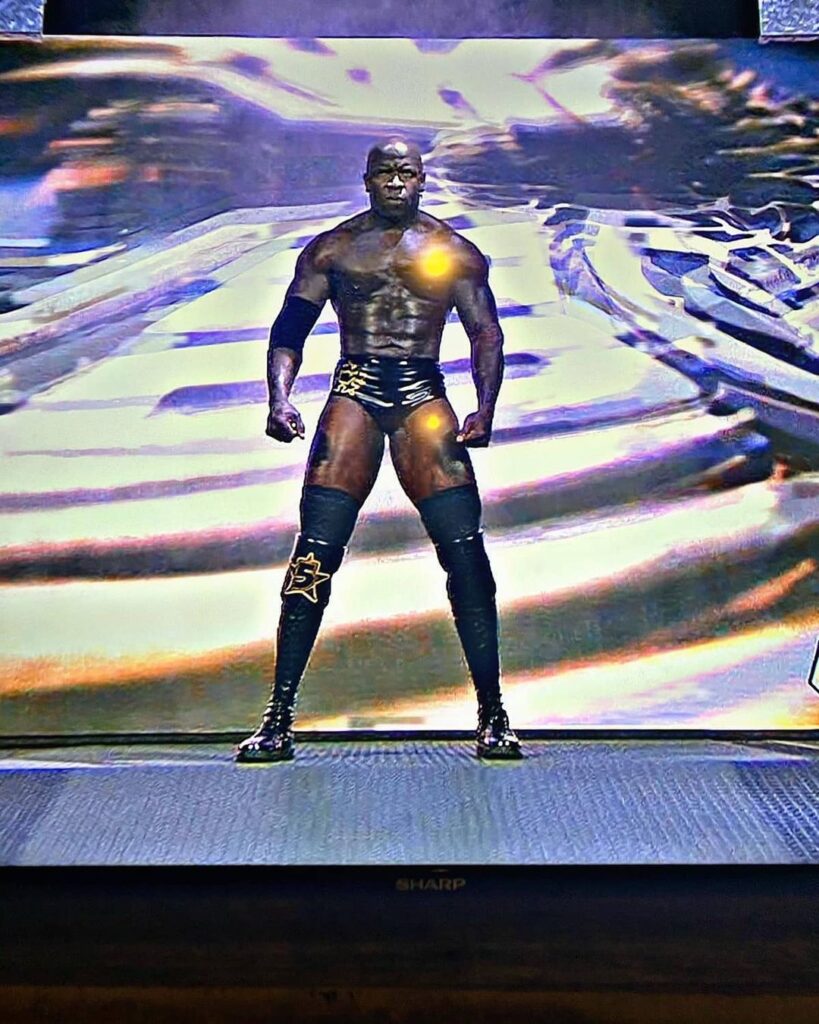
AEW star Paul Wight, better known as “The Big Show” in WWE is a professional wrestler, commentator and actor. He joins Insight with Chris Van Vliet to talk about why he left WWE for AEW, working as a commentator on AEW Dark: Elevation, his in-ring return at All Out against QT Marshall, what he has left to accomplish in his wrestling career, his thoughts on CM Punk appearing in AEW, his role in the 1998 Adam Sandler Film “The Waterboy” as Captain Insano and more.

On a possible match with Shaquille O’Neal:

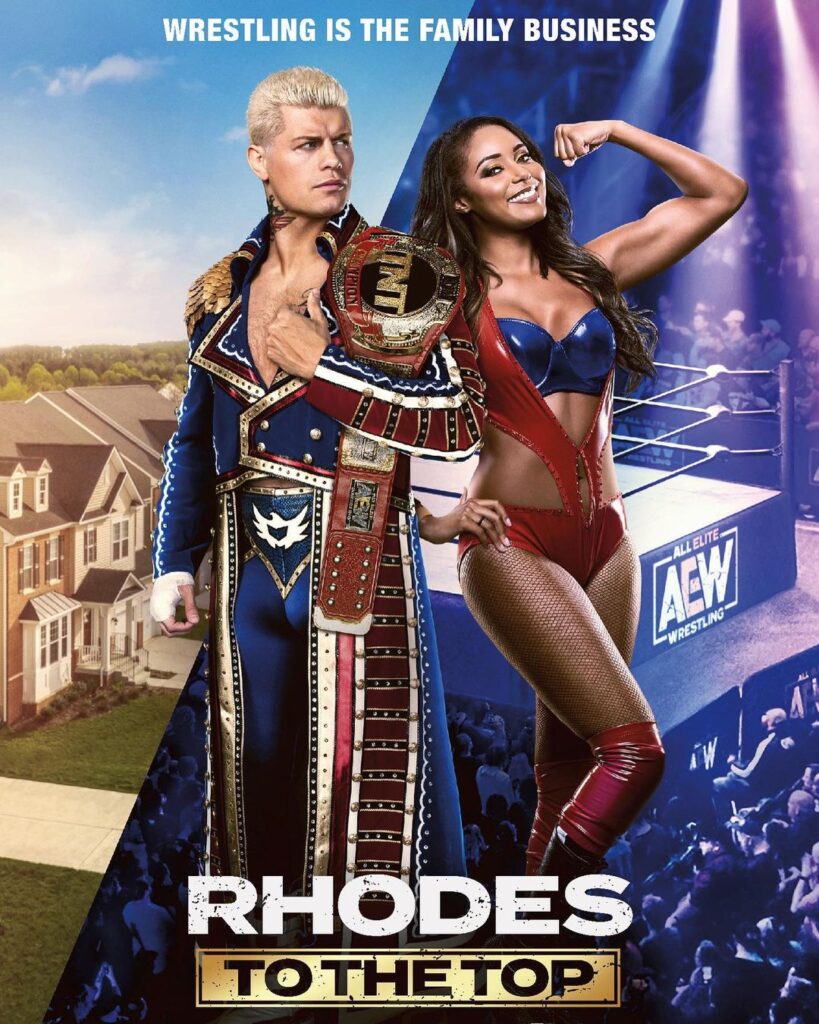
“I think that will happen now because there is not as much red tape. He’s already competed with Cody Rhodes. It was him and Jade Cargill vs. Cody Rhodes and Red Velvet. That was an incredible showing for Shaq, so hopefully we’ll be able to cut some more red tape and make it happen. He’s been hitting the gym lately, Shaq is pretty big right now. He’s huge Shaq, that’s the best way of looking at it. I think he is nervous about me so he is putting on a bit of size. Whereas I am Tall Paul the car salesman [laughs].”

On his amazing weight loss:

“I got as low as 370 lbs. Right now I am at about 408 or 410. I’m still keeping it low. COVID and the pandemic put a big hit in the training and stuff like that. Now that things are starting to work I am getting things back together. It’s fun, you know how to get there, so it’s about gearing up and getting there again. Get your diet in order, then make the commitment to get your cardio in and all that stuff. When I was at 500lbs, I was a quarter ton of fun for 15 years. When I say 400, I still feel a little light in the pants. But to stay around 375 would be good.”

Instagram

On how his hip feels:

“The one that I had surgery on, and QT was gracious enough to show on Dynamite, is good. We went through some complications with it, which is why there were so many surgeries. But now I feel like Wolverine. It’s 5 lbs of titanium. I’m actually cleared to jump out of an aeroplane, I can parachute. Not that I would, we don’t need to see operation dumbo drop. I’m not jumping out of aeroplanes any time soon, they would need a tank parachute.”

On the time he was asked to jump out of a tower:

“Years ago me and Mark Henry were at Fort Bragg with the soldiers, and we were at the jump tower. The soldiers were all like ‘Yeah you gotta go out of the jump tower. We will build you a harness to go out the jump tower.’ I’m like build me a harness? I’m good bro. I’ve got O.R. disease. Mark Henry, my best friend, puts his hand on me and he goes ‘You’ve got O.R. disease? What’s that man?’ I’m like I’m old and I’m rich, I’m not doing that crap. There will be no Paul Wight jumping out of planes any time soon.”

On how much he is enjoying doing commentary:

“Oh my God you have no idea! I’m having a great time doing the commentary on Elevation. But if I’ve had known about the live Rampage on TNT I would have pushed for that spot. At the time, my opportunities were the new show Elevation, so I jumped at it. I am having a great time working with Tony Schiavone and working with the younger talent, but man, I have been chomping at the bit to get back in the ring. There’s so many talents I want to work with and spend time in the ring with. I want to pass that knowledge along and still have fun. One of the biggest reasons why I made that transition is because I still want to compete in the ring.”

On why he left for AEW:

“I had to leave WWE. There was nothing there for me to accomplish. There was nothing there for me to do more of. I still like lacing up boots and I still like getting in the ring. Luckily Tony Khan gave me that opportunity.”

On a wrestling bucket list:

“My bucket list? I don’t really have a bucket list. I’ve never been a guy to say ‘I’ve got to do that.’ I’m not a goal setter. I know some guys wake up every day and they have goals and checklists. I try to enjoy every day and be thankful for every day. Whether I get to go out and compete or be around the talent, it’s a good day. I’ve got some TV and movie projects on the side, so that’s all picking up speed now. I don’t have anything to complain about, I just take every day and enjoy it. But as far as opportunities go, I won’t turn anything down but the sheets. I’m like Samuel Jackson. I’ll say yes to everything. I look forward to whatever opportunities are available. After Rampage in Chicago, the wrestling world will get knocked on it’s ass. The scuttlebutt is true. Maybe attitude-era ish again.”

On the CM Punk return:

“It’s probably the biggest and most anticipated return ever. You think about the biggest impactful moments in wrestling. Like ‘Were you there when Hulk Hogan slammed Andre The Giant?’ ‘Where were you when Steve Austin cut the infamous 3:16 promo?’ When Hulk Hogan came to WCW, the NWO was formed. There’s so many moments in history, and I’m guaranteed I am leaving a lot of special moments out. But I think this is one of those moments, it’s in Chicago, it’s sold out, the stage is set. It couldn’t be served up anymore to create an incredible wrestling moment. It reignites the wrestling industry. There are so many wrestling companies that are springing up and doing well. All the companies are growing, recovering and the fans are searching out. Now you are getting to that competition of let’s give the best product to our fans. Let’s turn it out and give authentic, unique, diverse talent. And I think now is the time to put the spotlight on us, we are ready to shine.”

On WWE not being the right fit towards the end of his run:

“I was there for 4 decades. For me, I just wasn’t ready to be in a position that I was getting, not pushed into, but it was the only opportunity available to me. I just felt like at the time that’s not for me. I didn’t leave mad or p*ssed off or anything like that. It’s a business, you have to do what’s best for your business and they have to do what’s best for theirs. They have their plan and what they want to do moving forward. If you don’t fit then you seek life elsewhere.”

On possibly retiring after leaving WWE:

“I didn’t know if I was going to get a job after leaving WWE, and I didn’t know if I was going to be in wrestling again. I was working on some TV stuff and some movie stuff, so I didn’t pursue talking to anybody until after my WWE stuff. I had some converstaions with [Chris] Jericho, who is a dear firend. I said ‘Do you think they [AEW] would be interested in talking to me?’ He said ‘Well, you should talk to Tony Khan.’ I met Tony a long time ago, so I had got his number from Chris. I shot Tony a text after my deal was done and we talked on the phone for a couple of hours. Tony Khan has weird hours, he’s one of those guys who can be up from 1am until 4am.

That conversation was exciting, we talked about the future of wrestling and psychology and helping the younger talent. Also character building and plans for AEW, all those things. He actually got me super excited on the phone, which I haven’t been for a long time. I have been a good cog in the machine and been a good solider, fought long and hard and through pain. So it was hard for me to have someone else who owns and runs a company to inspire you further. I am the luckiest man on the planet right now. I get the chance to be part of an organization that is growing, which is great. I get to have input and build something, which is important. And I get to have fun and I get paid.”

On loving being busy and a possible T-Shirt idea:

“There was a part of me that thought the door is going to be closed on this. For so long you can get into your head so many things that put that doubt there. You have to be willing to say goodbye to yesterday to move forward. [Chris says that’s a good quote and put it on a t-shirt]. Well don’t put it on my shirt because John Cena said I can’t sell merch. He used to tease me all the time. Cena used to say ‘If my merch was money nobody would but it.’ I said ‘Well that’s because I am too busy making you look good.’ Bad guys sell tickets and good guys sell t-shirts. I could have stayed with WWE and made an incredible living, I would have had a golden parachute. All the fanfare would go with that comfort, but I don’t want that. I still like to fight, compete and be part of something. Twiddling my thumbs and being bored, I can’t do that. I am all about what’s right now and what’s tomorrow. Yesterday is not my thing. I don’t care about titles or accolades. I am about what are we doing today and what are we doing tomorrow? To be part of that in AEW, I couldn’t be happier.”

On praise for AEW executives:

“It was scary leaving WWE. But even now I am in AEW, I’ve been there for a long time. Kenny Omega is an executive VP who busts his ass backstage in the company, helping everyone who has earned that spot and put AEW on the map. Chris Jericho helped put AEW on the map. Cody Rhodes is a big guy backstage that helped align things with AEW’s community directive with a lot of the talent. The Young Bucks are in an executive position there. It’s not just the stuff they do on TV it’s all the stuff they do behind the scenes too. I’m not the big star in AEW, I don’t have 4 decades of putting asses in seats and drawing money. I’m like the new guy that has to earn his stripes, and I dig it. But I can’t wait to get out there and prove why I’ve been in this business so long.”

On starring in The Waterboy:

“I think The Waterboy was definitely one of those iconic things you are a part of, but you don’t realize it at the time. You’ve got this small part in an Adam Sandler film, which is very cool, but you don’t know at the time that it’s going to be this iconic character that people will never forget. I go places and people ask me to sign things ‘Captain Insano’ all the time. True story. I would love to do some kind of spin off wrestling character with Captain Insano. If I could do that, I would break out the stars and stripes and have a hoot with that. It would be a completely different character but a lot of fun. That whole thing was just one day. It took me literally about 2 hours to do the whole thing. Adam Sandler was so cool to work with and just so kind. His mom for the longest time would run around and introduce me as Adam’s giant wrestling friend named Paul.”

On missed acting opportunities:

“There were so many projects I couldn’t do because of the WWE schedule. When I first signed with WWE, Nick Cage reached out to me because his son was a big fan of me. Nick Cage was trying to hook me up with this Russel Crowe movie. But it was being shot in Spain I would have to be in Spain for 6 weeks for it. But I’m thinking Russel Crowe is going to be a star, Nick Cage wants me, I’ve got it. I go to ask Vince and he says ‘I’m paying you to be a wrestler, not an actor.’ So that was the end of that. So then it’s like yeah you are paying me a lot of money to be a wrestler, I will go back to work sir. There wasn’t as much crossover in the wrestling business then. For a while, WWE was very against wrestlers crossing over into movies. Then eventually they got into the program. So I am there watching Gladiator, that would have been good to be a part of. But now with AEW I can be a part of all sorts of projects. Having that freedom to build the Paul Wight brand [is good]. Becasue it’s their intellectual property, so when you leave you have to rebuild yourself.”

The origin of The Big Show name:

“That was Vince. When I first came into WWE I was Paul Wight, I just don’t think Vince liked the spelling of my name or just my name. But what would Vince know about marketing? [laughs] But he walked by me one day and he goes ‘So how’s The Big Show today?’ I go ‘I’m good but who the hell is The Big show?’ He goes ‘You! You can walk, you can talk, you’re an athlete. You’re The Big Show.’ He walked off and I thought oh dear God I hope that is not my wrestling name. But it was. But think back then it was the attitude and the Monday Night Wars. But over the years, like anything, if you do it long enough you can make it your own. But it’s now a little hard to rebrand. I have a great Big Show autograph. My real signature is good, but I don’t want to put that out there. I don’t want to own a timeshare in the Bahamas. I’m just trying to figure out that new identity, and I have some input on my character. Hopefully I won’t change 2 or 3 times in a match now.”

What he is grateful for:

“My health, my peace of mind ad friends and family.”

Paul Wight can be found on Twitter here and Instagram here.

Featured image: Essentially Sports

Carlito on WWE return, Royal Rumble, where his apple gimmick came from, winning the US Title in his debut

Carlito (Carlos Colon Jr.) is a professional wrestler known for his time in WWE. He joins Chris Van Vliet for an interview and Q&A in front of a live audience at the Independent Wrestling Expo in Fort Worth, TX. Carlito talks about growing up with his famous father, Carlos Colon Sr., how he got started in wrestling, getting signed to WWE and wrestling for Ohio Valley Wrestling, winning the US Title in his debut match against John Cena, why he thinks the apple spitting gimmick came from Razor Ramon, returning at the 2021 Royal Rumble and much more!

On how long he knew about the Royal Rumble match:

“I would say about a month out. I was just doing what I had been doing before. No one had really seen me but I have looked like that for years now. But yeah when you are off TV, everyone thinks that you have died or something.”

On just working the match:

“Yeah pretty much. That’s what I thought. I would come back, do the match, be the surprise entrant, have fun and then back to being dead or whatever [laughs]. They told me about RAW the night before, thank God so I could pack some more clothes. I had no hopes [for anything after], the only goal was to just go out there and put on a good showing. I just wanted to remind people that I am still around.”

On if he is in the best shape he has ever been in:

“That depends, since when? I’ve looked like this for the last 10 years. People say it with such a tone ‘Wow man you look great!’ What does that mean? What did I look like before? When I left WWE I had a lot more free time and you know, I had to do something different. Of course I had Chris Masters guiding me and giving me training information. I just took that and ran with it.”

On his best Chris Masters story:

“I don’t know what stories I can really tell. the only one I really have is when he comes to my house he empties out my fridge. But that is to be expected.”

On whether it was expected that he would become a wrestler:

“I kind of think that now. If people ask me ‘What would you do if you wouldn’t be a wrestler?’ I don’t know, I don;t think I would have had a choice. All of my jobs have been wrestling related. I started in the canteen selling food and drinks, then I started selling beer. Then I became the cameraman, then ring crew and eventually graduated to wrestler.”

On if anything hurts:

“Everything hurts. But I knew what I signed up for at the beginning. Like I said I’ve seen it from a young age. I assumed that this is how it was going to end but it is what it is. I do a lot more Shakespeare now, I understand more about the entertainment of it. Just because you are not doing a bunch of things, it doesn’t mean that you are not working. It’s more working harder in different ways without taking bumps. Sometimes it’s more exhausting doing the Shakespeare aspect as opposed to taking bumps.”

On what advice has stuck with him the most:

“Probably the Shakespeare stuff. Just to learn how to protect your body. Protect your body without being lazy, that’s the main thing. People confuse protecting your body with being lazy.”

On where the apple spitting came from:

“That’s funny because I used to get a lot of people saying I was a Razor Ramon rip-off. I don’t know where people got that from. then I was at the Hall of Fame for my dad and the night before him they inducted Razor Ramon. They are showing vignettes and I am like ‘Oh my God my vignettes were rip-offs of his.’ Then one of those he was eating something and spat at a guy. Fast forward to mine, I’m at a fruit stand and I’ve got an apple and I spit in his face. Vince must have seen it and went keep doing it. OK I will do it as many times as you want.”

On if he knew how he would debut by winning the US Title:

“Yeah I think I did. I think it was a couple of days before. I think it was more the trying to keep stuff from everybody. Not just from the dirtsheets but from the boys too. It was the same with Edge’s Money in the Bank cash-in. They told me Cena was going to hit me with a rollup. I’m like can we do something different? They said no. Cena rolls me up, I then hear Edge’s music and I’m like oh OK now it makes sense. The rollup was perfect for what happened next.”

On the standout moment in his career:

“I think the standout is behind the scenes. Just being the guy who wouldn’t take any nonsense and would stand up for himself. I just spoke up and you know, spoke my mind. I got in trouble for that all the time, I just stopped caring and was out of control in the last couple of years of WWE. But I am all zen and all controlled now.”

On what he learned from Vince McMahon:

“Yeah he is a genius and he has a lot of great ideas. Wrestling owes him a lot. I just learned how the business side works. What I like about him and Stephanie is that they are great business people. They are likeable and friendly, but at the same time if it’s not good for business they will pack things up and won’t hesitate for a second. It’s the way that you got to be. Sometimes you’ve got to separate the business from the personal.”

Featured image: The Sports Rush

Ariya Daivari’s WWE release, his brother Shawn Daivari, Muhammad Hassan, What’s Next

Ariya Daivari is a professional wrestler known best for his time in WWE where he performed on the 205 Live brand. He talks to Chris Van Vliet about being released from his WWE contract, what he plans to do next, his excitement to work without any boundaries, his brother Shawn Daivari and his time in WWE with Muhammad Hassan, why he wanted to be a pro wrestler as a kid, how speaking Farsi helped get him signed to a WWE contract and much more!

On being the brother of Shawn Daivari:

“Yeah we just started watching together. He was 14 and I was 8. We just started watching together, he was the one who discovered it but we watched it together, which was super cool. Just over time he got to be an indie wrestler first, obviously. That’s why his career took off before mine did, he’s just older. We were big fans together. He had all the T-shirts and I had all the toys. It actually brought us a lot closer. We were just typical brothers, we hung out but not a lot. But pro wrestling really brought us closer and closer and to this day that’s why we are super tight.”

When he thought he could be a wrestler:

“When my brother got signed. Me and him are about the same size. We are both 5 foot 10 and 180lbs. We knew it was a long shot, more for him, because back in his time it was more so land of the giants. He had a real hard chance of getting to WWE and he made it. I was with him when he got the call. We were just chilling at our mom’s house and he goes ‘I just got signed.’ We couldn’t believe it, my mind was blown. I already knew I wanted to be a wrestler, but to see someone from my family actually make it. I’m like holy sh*t this is really a possibility.”

On how his brother got him ready for wrestling:

“I always tell people that I was so lucky to have a brother that was in the WWE. Someone who could give me good advice and get me ready for the WWE. I always tell people that the information and the advice he was getting was from guys like Eddie Guerrero, Chris Benoit, The Undertaker, Chris Jericho and Shawn Michaels. When he would tell me some advice he would say ‘This is something that Shawn Michaels would tell me.’ If it’s from Shawn, it’s obviously correct information and correct advice. It wasn’t just older brother telling younger brother what to do, it was legends and Hall of Famers.”

On wrestling his brother:

“We have only wrestled each other one time. It was when he asked for his release from WWE in 2008, I was only about a year in. We had a match in Green Bay, and that was the only promoter that wanted to have us wrestle each other. Every other time we have been a tag team, which I totally understand. I was so green at the time, I wish we could do it again. I just let him put all of the match together, but now I think the roles would be reversed.”

Instagram

On his thoughts on being released:

“I tell a lot of people that I can take a nice breath of fresh air and say ‘I’ve done it.’ That thing that used to keep me up at night as an indie wrestler. I just keep thinking over and over what do I have to do to make it? But I did it, I made it. I wrestled on a pay per view, on NXT, on Monday Night RAW. I got to have conversations with Vince McMahon and Triple H, I did all these things. So I got to do all of these things I wanted to do, so a small part of me is like I can close that chapter and go to another part of my wrestling career. Luckily this is a great time because places like AEW, New Japan, IMPACT, all these places are popping up. I can say I know what it’s like to wrestle for Vince, now let’s see what it’s like in the other places.”

On keeping his name:

“Luckily for me everyone in the CWC [Cruiserweight Classic Tournament], they wanted everyone to have their names, because I think they wanted to capitalize on buzz. They said it was the best free agents so they kept everyone’s names. The only people who had their gimmick names were guys who had gimmick names on the indies. Guys like Lince Dorado and Mustafa Ali kept their gimmick names, but everyone else it’s our shoot names.”

On using the Daivari name:

“I kept going back and forth on it. I didn’t want people to think ‘Oh he’s just Shawn’s brother.’ And I have to admit he was in at a time when the wrestling industry was even hotter. He had a lot more eyes on his career back in 2004. Some people went ‘Oh cheap ripoff.’ But whatever. I was proud of the fact that I made it to the WWE at my size and keep my name. It is all me being presented as me.”

Instagram

On WWE trying to take his real name away:

“They sent me a legal letter that had a bunch of mumbo jumbo , stuff you use blah blah. It said in parentheses “Ariya Daivari.” I had to call my lawyer just to double check. I said ‘You know that’s my real name right?’ All of my platforms are going to say Ariya Daivari.’ They said yeah and it was a formality letter, they just kind of pushed that stuff in there. But I wanted to make sure. The lawyer laughed on the phone and said ‘Yeah it’s your real name.’ I didn’t want to get screwed by giving my name away.”

On his plans now:

“I just want to wrestle, I want a busy schedule. That’s the only thing I want. Because right now I’m sitting at home with these 90 days. Not too long ago we were dealing with a pandemic, that sh*t sucked. I did not like sitting at home. Obviously the pandemic was a little bit different because nobody could do anything. But right now the crowds are back and wrestling is super hot and I’m not doing anything, it’s driving me f*cking crazy. I just want to be a busy as possible, it doesn’t matter where it is. AEW, IMPACT, New Japan, back to the indies… I just want to wrestle the best guys possible and keep a very busy schedule. This is my life now. It is all I care about and all I want to do.”

On if he thought he would go the next level:

“Yeah honestly right before we got released. Me and Tony Nese were doing a lot of tag stuff together. Me and him tagged on and off since the beginning of 205 Live. In the last 4 to 5 months of TV they were having us tag pretty regularly. They had us doing promos together. Everyone in the office, Shawn Michaels, Matt Bloom, they would all be telling us ‘You guys are killing it as a tag team, you’re doing a great job, you look good.’ We were having good matches and a lot of the boys said we looked good as a team. We thought that this was going to take us to the next level. We thought we were going to be a tag team on NXT. Me and him discussed talking to Vince and see if he would bring us to RAW or SmackDown. I was told that Vince or WWE in general isn’t big in the tag team division. That was the only hurdle we had to climb, to get them to pay attention to tag stuff. I really thought that was going to take us to the next level. But unfortunately we got released.”

On no one being safe:

“My own brother was recently part of the COVID releases. Only just recently he was brought back, which I am very happy for. I was very upset when he got released during COVID. After the COVID releases happened I was like it sucks but I survived I think I will be good. Then there’s been 3 waves of firings in 2021. When Samoa Joe and Braun Strowman got released, the whole roster from top to bottom, RAW, SmackDown, NXT was like oh sh*t. If they are letting guys like Braun and Samoa Joe go, it could be anybody. I would say for the last 4 to 5 months I wasn’t expecting it, because I was wrestling all of the time. But a small part of me said that if it was going to happen, it might be around this time. Unfortunately it did.”

On a possible WWE return:

“I think so. I have this 5 year plan in my head. I’m 32 now, if I don’t go back to WWE in 5 years then maybe that door is closed. I still feel young and I still feel good. You see so many guys like Drew McIntyre and Jinder, seeing them leave WWE, and they were at the bottom of the barrel when they left. To go out there and get in great shape, reinvent themselves and then come back and have the success that they have had, it’s awesome to see. Shelton Benjamin and The Hardy’s, all great guys but when they left I thought that was it because they have done everything that they can do. They are older now and probably won’t come back. Now they have come back and done extraordinary work, I don’t think the door to WWE is completely closed. It might be that right now they are reshuffling things and figuring things out.”

On leaning into his heritage:

“At first I felt it more, because it’s WWE, they love people from different countries, they said that to me on my trial. They said ‘We love the fact that you are Iranian and can speak another language.’ But they knew I was Minnesota and all that sh*t. They knew I spoke another language. At first I was all about it, but some people’s responses on Twitter were like ‘Uhhh, another foreign guy, great!’ I think that era of wrestling is ending and it’s on me. I took it to Vince McMahon and said ‘Hey I don’t want to do this Sheik thing anymore.’ I wanted to do this Daivari Dinero character and he was all about it.”

On changing his character:

“I didn’t want to completely abandon the fact that I am Middle Eastern. The Daivari Dinero character was actually based on this TV show called Shahs of Sunset, there’s a lot of Iranian and Persian people in LA. I said ‘Hey if you want me to be a character, I got a way better character for you guys.’ All these Iranians and Persians are driving all the white BMWs, gold chains and all that stuff. I don’t think it’s as offensive either, it’s a little more tongue in cheek. That was why I wanted to switch to that character. Also, a lot of Persian people are born in America, so we don’t have to insult the intelligence of the fans. I knew that being myself was going to have a lot more shelf life than being a typical foreign heel.”

Instagram

On not doing The Magic Carpet Ride:

“My brother did it once as a goof to pop the crowd, and they really liked it. So when he went to WWE I said do you mind if I start using it, he said yeah cool. It always got a great reaction from the crowd. Funny enough I did it in my try-out match for NXT. I did it when I did try-out stuff on the road and it popped all the boys, so I’m like sh*t I’m gonna keep doing it. I did it in my trout match and Bill DeMott was the coach. As soon as I did The Magic Carpet Ride, which is a top rope splash while holding a carpet, I hear the bell ring. I was like oh sh*t what happened? On the microphone in front of everybody, he [Bill] goes ‘We don’t do that indie bullsh*t here! Next!’ I did it on the indies but when I got to WWE, that image is so burned in my head I never bothered asking if I could do it. He just made me feel like it might be too silly for WWE. But months later Jack Gallagher is jumping on me with an umbrella.”

On what he is grateful for:

“My health, my family and my time in WWE.”

Ariya Daivari can be found on Instagram here and Twitter here.

Featured image: WWE

Drinkin’ Bros Podcast hosts Ross Patterson & Dan Hollaway on Going All In on Your Dreams

Ross Patterson and Dan Hollaway are the hosts of the popular show “Drinkin’ Bros Podcast”. They join Chris Van Vliet from their studio in Austin, TX to talk about the success of their podcasts, how they were able to grow them, their advice for podcasters who are just starting out, their dream guests, their impressive sports memorabilia collection and much more!

For more info on the Drinkin’ Bros Podcast visit: https://drinkinbros.com/

On their impressive set design:

Ross: “Dude if you walk in here, it feels like a Hollywood set. We’ve got 7 sets in this building, which is a couple of floors and around 5,000 square feet. It’s very non descript so if you are trying to find it then f*ck off [laughs]. It’s fun and people are recoding it at all times. The cool thing about owning a media company is that there are 16 shows on our network, so there’s always cool people shooting in and out of here all day. Everybody has a key, so they can shoot using the cameras whenever they want. With that being said, every night you walk in here there’s someone that you wouldn’t expect. It’s all a blast.”

On how COVID helped them grow:

Dan: “We weren’t directly involved in creating the virus [laughs]. But what are you gonna do?”

Ross: “We just happened to provide entertainment. During the pandemic, because we got COVID literally on day one, our advertisers hit us up. They were like ‘Look, people need entertainment, Hollywood is shut down. Would you consider going every single day for one of your shows?’ They picked out 2 in particular and we said yes. We huddled up with our employees and we said ‘Look, we have COVID and you will probably get it. We can either herd immunity this sh*t, work though it and try to make something of ourselves. Or we can pack it in and go home.’ Everybody agreed to do it and we never stopped. I’m actually really proud to say that we did not miss one single day.”

On how sick they got:

Dan: “For me it was just bone aches, so I didn’t really care. My bones hurt. But I have lower back issues from jumping out of planes and sh*t. So bone aches and shooting pains for 5 days.

Ross: “I’ll get graphic with you here. My dick fell off and I had to tape it back on! No we were looking at houses in Austin and me and my wife were going around. It was a race for houses and we looked at like 36 houses in 27 hours. You see what was going on in the news and you start to think do I have these symptoms? I was sh*tting on the hour every hour, so I’m like great. I got super f*cked up the night before, so I didn’t know if it was from that.”

Dan: “That’s my recommendation. If you get COVID, don’t just sit there, drink water and eat soup. If you are going to feel like sh*t, then do it to yourself.”

Ross: “So I destroyed the bathrooms of 36 stranger’s houses, that’s what it was. I was sh*tting in open houses. Ironically the house that we bought did not have any toilet paper.”

On the goal from episode one:

Ross: “So I was in Hollywood, and comedy was dying. All of it was. I was writing and selling scripts, and little by little, there was less comedies being made. It felt like there was a change in media. I felt like this [podcast success] could happen, but whether it would is another story. You have to have the right personality for this, and we got in at an earlier stage of the game where you can get on the charts pretty quickly. If people liked your show, they would just keep listening to it and all that other stuff. The challenge is to turn it into a business and monetize it, which Dan was able to do. It’s one thing to do a podcast with your buddies as a hobby. It’s another if you are going to do it as a job in this world. I really thought when we started this that it would become a massive thing. But you still need the right people and guests to make it happen.”

Dan: “It also allows you to be able to do what the f*ck you want to do. We are certainly burdened by the distribution points. Obviously any of these organisations can tell us to go and f*ck ourselves anytime that they want. Navigating that has been a bit of an issue for a show like ours that pushes the envelope like ours does. It is what it is and we have managed to navigate around it.”

On when they found success:

Dan: “I think the tipping point was monetizing it for the first time. You can have the theory that this can really be something, then you turn the switch on and maybe it works, maybe it doesn’t. Once we saw that it worked, we started fumbling every dime we made back into production. Creating more capability to create more. Another big point was COVID, it got people used to the idea of consuming content throughout the day. You do it already by checking your phone, but it hadn’t been popularized until people started working from home. Now employees are not going back into the office again, which is good fortune.”

On how the podcast grew:

Ross: “It was a series of events that was fortuitous. At episode 100, we just tossed it out to the audience. We didn’t know if we were going to go beyond 100 episodes. We said to the audience ‘Hey what do you guys want to do?’ Somebody suggested we have 2 strangers who have never met before have sex live on air. We said yes let’s do that, then we had 700 submissions. We picked a dude and a girl and were doing a live show that night in Denver, Colorado. So we flew these people into Denver, put them on a bed and they had sex for 2 and a half hours in front of us. That show exploded, and the following day was the election day for Donald Trump. We did a prediction and I called Trump to win every state except for Pennsylvania. The novelty of the sex show and what was going on in the world combined showed the audience that we are not just a novelty show. That’s when it really started taking off we had celebrities calling us to be on.”

On a dream guest:

Ross: “For me I think Donald Trump. Not because I like Trump, but I think it would be fascinating to hear the lookback now from the 4 years. I want to hear what it was actually like. I liked the fact that he wasn’t a politician. He probably went in there and asked ‘Where’s the aliens?’ I would like to ask him what he thought about it afterwards. You won’t know how good a president was until 15 years after they leave the office. With Trump in particular, I wonder if he would say ‘I wasn’t a politician, but we all made it out OK.'”

On how to improve your podcast:

Dan: “The only thing you can do is just do it all the time. Your record 4 shows a week and you get used to it. You begin compartmentalize information. You have to be informed enough to ask the questions that uninformed people would ask. If someone is angry then lean into that and get them to give an angrier response.”

On what they are grateful for:

Ross: “My wife, my kids and friends and family.”

Dan: “My girl, myself and Chick-Fil-A.”

Featured image: Drinkin’ Bros

Tyler Breeze on WWE release, UpUpDownDown, Fandango, His Match with Jushin Liger

Matt Clemente (Tyler Breeze) is professional wrestler, pro wrestling trainer and Twitch streamer. He joins Chris Van Vliet from his home in Winter Park, FL to talk about being released from WWE after 11 years there, what he plans to do next, his tag team with Fandango, how much UpUpDownDown has changed his career, the wrestling school he owns with Shawn Spears called “Flatbacks Wrestling School”, his NXT match with Jushin “Thunder” Liger and much more!

On Chris getting chopped at Breeze’s wrestling school:

“So you know how it is. Everybody has their opinion on stuff. I saw a couple of people say ‘Oh my God. They are running a wrestling school and they just abused this guy.’ The good part is that we know you and you went ‘Hey guys. Just so you know, I asked them to do this.’ It’s not like we are these bullies, this is what happens. You said ‘Hey let’s do this.’ We were like you don’t have to but you said yes so OK man. 2021 is very opinionated on some things. Some people liked it, some didn’t. In the end I’m pretty sure you got like 1 million views from it.”

On being more famous for UpUpDownDown than for wrestling:

“I mean it kind of goes that way. That was actually me and [Austin] creed’s goal when we started doing stuff. When he started UpUpDownDown, I really had no clue how to stream, do YouTube or any of that stuff. He knew how to do it, and if he didn’t he would figure it out. As we went year after year, we know the deal. Obviously you’re not going to wrestle until you are 40, 45 or 50. Eventually, either you are going to say I’ve had enough of this or your body is. So we were like we have to build our value outside of the ring. In reality we are expendable when we get to a certain point and when we don’t get to a certain point. You could get released at any time, that’s just how this industry is.”

On becoming established outside of the ring:

“Building our value outside of the ring was always the goal for us. Luckily, UpUpDownDown has done wonders for us. Creed is awesome like that. He will take guys that you just know from their matches. Maybe they don’t get to talk a lot and you get to know what kind of a person they are and they have really good personalities. So he will put them in a spot where you will get to see that personality. All of a sudden you go ‘Wow I want to see more of that guy, he is really cool.’ Maybe the only place that you get to see that is UpUpDownDown. Now, not only is he building his own stock, but he is helping everybody around him. Rising tides lift all boats, he lives by that. It’s not just for him, it’s as many people as he can help, and he will. If I didn’t do this, I would just be another random guy trying to get my foot in the door.”

On WWE protesting Twitch streams:

“So it was a little different. So obviously everybody kind of threw their hands up in the air when they kind of stopped everything. There’s a saying that’s been around and will last; ‘The boys will mess it up for the boys.’ I was streaming on Twitch for 2 years and no one was really paying attention to anything, because I was doing it properly. In the end, when you are under a certain banner, it’s like media training. If something happens, lets say I’m live, and I represent myself horribly. When you sign onto a big company, the headline doesn’t read ‘Matt Clement does this…’ It now says ‘WWE Superstar…’ or ‘AEW Superstar…’ did this. Now you have to be mature enough to realize you represent a bigger entity and conduct yourself accordingly.”

On why WWE protested:

“People then realized they could do this [Twitch streams] and they don’t present themselves accordingly. Whether it’s using their intellectual property, or giving away things they shouldn’t be giving away. They just violate certain things, and eventually the guy who is charge of everything will say ‘You know what? everything stops, you ruined it.’ They can’t go case by case of you’re OK but you are not OK. They just go ‘You guys stop.’ And honestly from a business standpoint, if you ran a business and you had all this stuff, would you let it go? You would blanket it and say ‘Guys, this has to stop.'”

Instagram

On the lines blurring between person and performer:

“Well I think that’s all technicalities, paperwork, contracts and stuff like that. In the end, on paper, it’s who owns what? If I work for a company and they own a character of mine, I can’t take that character and make money with it elsewhere, I just can’t. They own it, and I know they own it because I have a contract that says you own this and they own this. I’m cool with that, and I sign it. If you aren’t cool with it then don’t do it. In the end they own that character.”

On nearly getting fired before becoming Tyler Breeze:

“I was like the cockroach that wouldn’t go away man. There were several times where it was like ‘Hey you’re gonna get fired…’ Then something happened, then it would repeat. I always just barely clung on, whether it was from taking a random bump in the ring or someone seeing me in the ring that hadn’t seen me. There was always something that would give me a little bit more life. Even when I found the Tyler Breeze Stuff, it went from ‘you’re probably not going to get fired…’ to ‘You’re gonna get fired…’ That’s just how it goes, the lifespan of what we do isn’t long. Look at Stone Cold Steve Austin, he wrestled for a long time but his run in WWE was 5 years. I wrestled for 11 years in WWE, not many people can say that.”

On if previous experiences prepared him for this release:

“No, it was but it was also like… Well firstly I have been in WWE for 11 years. I was also very smart with my money where now the income part wasn’t such a big worry to me. Now I understand where they are coming from to let me go, it’s just business. You can’t take it personally and go ‘What did I do wrong?’ Sometimes you just make too much money or they go ‘Hey. We don’t need you right now.’ It doesn’t mean that you’re gone forever. How many times do we see people get released and then they come back? Once you are in the system you are in the system, it’s just how it goes.”

On getting ready for the future:

“I was preparing to get fired the day I got hired. There is a lot of life to live after wrestling. I immediately started to make a plan, got ready. I remember looking at contracts. When I got my first contract, you have a 3 or 5 year developmental contract. But then I signed my main roster contract. I went OK I’ve got 3 years. Realistically in a perfect world I will last 3 years. I don’t want to have to sign it. I would like to, but if I don’t want to I want the freedom to say no. By the time 3 years came up I went I don’t have to, but it’s good, things are going OK. So I just signed it and went OK cool. By the time the next one came around, very different scenario. It was a ‘You don’t need me, I’m going to leave.’ kind of thing. At that moment in time, I was not happy. All they said was ‘I’m sorry, we can give you more money.’ I said ‘I’ve been really smart with my money. I don’t need more money. I go to the airport and turn around because I’m not happy at work.’ That was when I had the conversation to go back to NXT. But I was ready to leave right then. I had accomplished everything I had wanted to achieve of having that goal of the freedom to not sign that contract. When you sign that contract you know what you sign up for. If you are not happy then please don’t sign.”

On not always being so positive:

“I’m not saying I never got bitter and I never got mad, because I did. I was sitting at ringside yelling at people, I would come back to Gorilla and yell at people. I was just really bitter and angry, but I think that happens to everybody. You then get a reality check. On my worst day when I come to work, I can make $500 and I can eat free food. That’s my worst possible day. When I look at my friends and family and they work their asses off and make a fraction of that. Grow up man, are you going to mad at that when you get paid good money and eat free food. It’s just not your time yet. That’s the reality check you have to bring back down or else you are going to fly off of the handle and be difficult to deal with. You’re also going to take it home with you and be mad at home, which is not good.”

On advice from Dolph Ziggler:

“There was one time where I thought we should have won something. I think it was a battle royal on SmackDown. The winners would get a tag team title shot, and it was when me and Fandango were really hitting with the fashion files. I think they put over The Hype Bros. I remember feeling that tonight should have been our night. That’s really the only time that I have thought that. In the end I think that people followed me and got behind me because I never really won that… In reality if you look at my career, I never really got that push. I was always there. Dolph Ziggler gave me the perfect thing when I started working with him. He says ‘Look man. It’s very clear who the guy is. If it’s not you, chances are it will never be you. They won’t hand you the ball, but you will work with those guys. Even when you steal the ball from those guys, they still won’t give it to you. But you will always be used, because they know they can rely on you’ That’s why you get this underground following which Dolph did, which I did. The people know that they want something to happen and it just won’t happen. It builds this cult following for you that translates into everything you do. I love being in that category. I think it’s really cool that people get behind you because the machine never did.”

Instagram

On if he wants to continue wrestling:

“It depends. I mean there is a lot happening in wrestling right now. It’s cool and it’s something we tell our students at Flatbacks [Breeze and Shawn Spear’s wrestling school]. We say to the students ‘Guys it’s not as far away as you think. The students we are training now have been on AEW Dark and NXT. It’s right there. Right now is a good time in wrestling. But right now, lets say on AEW, there are a lot of people debuting and there are a lot of people moving around all over the place. If I go there, I don’t know if it would make a massive impact. Now it’s kind of the norm, people are going over there and there might be some big names going over there. Nobody knows what is happening, but I don’t think now is the right time for me to go towards there. At the same time, I have wrestled for 14 years straight. I’m OK with taking a little bit of a break. My body likes it and I am getting enough wrestling at the school to keep my body good. I’m not currently taking any bookings. Going out there and getting injured, it doesn’t really appeal to me. If there was a match that was fun, I think I might do it. But I have scratched the wrestling itch, but if it comes back, then maybe.”

On his match with Jushin Thunder Liger:

“So it was one of those things that I have that nobody gets to have. He wrestled one match in WWE, it was with me and it was so cool. I started laughing at this the other day because I saw this headline, ‘Tyler Breeze puts match together with Jushin Liger.’ It sounds ridiculous, but I said exactly what we said and they go ‘Oh that’s not true.’ I guess man. I was the one wrestling him, I’m not trying to pat myself on the back here. He was very cool and he was like ‘Please. Whatever you would like to do.’ I had a couple of ideas and we put it together. The crazy part to me was when I said ‘Maybe I tackle you and I go and lay on top. Then you get me with something and you go and lay on top.’ He goes ‘Me lay up top?’ I said ‘Yeah.’ He goes ‘Oh thank you thank you [shakes my hand.’ I go ‘What do you mean thank you?! This is awesome.’ He said ‘You’re letting me do your stuff.’ Well of course, why wouldn’t I? The we did something else and I said ‘Maybe you grab the selfie stick?’ Again he says ‘Me grab the selfie stick? Thank you thank you [shakes hand again].’ What is happening?! This is insane, he is a legend in his own category. He is sitting here thanking me for letting him do whatever he wants to do, no ego whatsoever. He was the coolest guy and it was a pleasure. So easy.”

Who decided Breeze would have the match with Liger:

“So I’m not sure on that. The only thing I have known is that I was working all of the TakeOvers and I was like I don’t know who I am going to work. I’ve worked Finn [Balor], I was supposed to work KENTA but he was out. I worked Apollo [Crews], I worked Sami [Zayn] and Neville. I’ve kind of worked all of the people that we have, I don’t know who’s next. Of all people, Finn came up to me and said ‘Hey man. Do you know who you’re working the next TakeOver?’ I said ‘No I don’t.’ He said Liger. I just laughed and said ‘No I’m not, he doesn’t even work for the company. Finn goes ‘No, no he trained me, and they asked me to reach out to him and see if he would be open to it.’ I’m like is he joking? Finn then says he was serious. I said ‘Is he doing it?’ Finn said ‘Yeah as far as I know.’ I’m like OK that’s cool. No one else said anything, it was only Finn. A week went by, 2 weeks went by, I think I had a match that was an enhancement match. They said to me hey at the end we are going to flash your opponent up on the screen. Honestly I can’t even remember if they told me who it was. I think they wanted my reaction to be genuine. They said ‘[William] Regal is going to come out, announce your opponent and put it on the screen.’ I said OK cool. So I did my match, stare at the screen and Regal cuts his promo. All of a sudden they flash Liger up there. I would be curious to watch, because I had to be smiling. That was the first time where I was like OK this is a real thing.”

On what he is grateful for:

“My dogs and my cat, all of my friends and family and my wrestling school.

Tyler Breeze can be found on Twitter here and Instagram here.

Featured image: WWE

The Morning Routine That Will Change Your Life – Hal Elrod on “The Miracle Morning” and How You Can Do, Be and Have Anything You Want

Hal Elrod is an entrepreneur, podcaster, author and motivational speaker. His bestselling book “The Miracle Morning” has been translated in 37 different languages and has sold over 2.5 million copies worldwide. He talks about the 6 essential habits to add to your morning routine that will change your life, he also discusses how he came up with the idea for “The Miracle Morning”, why he started his podcast called “Achieve Your Goals” and much more!

On if he has always been this positive:

“Yes and no. I’ve always been this energetic since I was a little kid, somewhat of a positive energy. But I didn’t learn the concept of positive thinking and optimism until I was 19. My mentor at 19 taught me about positive thinking. I went home to my parents and I realized wow they were so negative, they were complaining a lot. When I was 19 and I learned about positive thinking I started creating written affirmations and thinking about who I am going to be. Just the other day I saw the document I wrote at 19 called my most important areas of self improvement. The first one was ‘I am committed to being the most positive person that I know.’ I started to live into that document and here we are today.”

On his first love:

“I was pursuing my dream, which at the time was to be a radio DJ. I had been on the radio at 15 years old. In my sophomore year of high school I got to host a radio show every Thursday for 3 hours. After many complaints, it was a country and western show and I got in trouble for playing too much hip-hop. The regular listeners would call and say ‘Who the hell is this kid..’ every week. I didn’t get invited back but the dream was born, I started my own mobile DJ company. I started pursuing that at 19, and in my first year of college I got a job at a major FM radio station. “

On how he met his mentor:

“A buddy of mine had been trying to convince me to sell kitchen knives. He was like ‘Hal you’d be so good at this. The knives sell; themselves…’ I was a DJ, I had no interest in being a salesperson. I was with him one day and I went to his office and met his manager, Jessie Levine. The manager really pushed the opportunity of direct sales. I could set my own schedule and earn as much as I want. So I decided to give it a shot and that’s how Jessie became my mentor. I went through 3 days of eight hour training with Jessie, by the end he was my favourite person on the planet. He is just so positive and I love this guy’s mindset. He talked about integrity and how the most valuable asset is to be individuals. Also he said ‘If you value your integrity at the highest level, you can speak your life into existence.’ It was lessons like that I latched onto and he is still to this day the most valuable mentor in my life.”

On being an ‘overnight success’:

“I love the phrase ‘It takes 10 years to be an overnight success.’ There was an actor on Ellen DeGeneres who nobody knew but then had the number 1 movie at the box office. Ellen goes ‘You came out of nowhere. No one knew. You’re an overnight success.’ They responded ‘Ellen for the last 10 years I have been kicked out of auditions, not getting parts, sleeping in my car broke. You didn’t see the hard work, commitment and overcoming obstacles.’ When most people have a setback, they think that they have tried and failed, then that’s it. Most people keep switching gears and never compound the failures and setbacks to achieve what they want.”

On people not having the time:

“I get that, and I also get people saying ‘I’m not a morning person.’ I was asked once during an interview ‘What percentage of The Miracle Morning people were morning people?’ I did not know the answer, so we surveyed our community. 72% of the community said they were never a morning person before they read the book. To me that says they tried and they failed. But now they are on day 642 of the miracle morning. One thing to do is to move your alarm clock as far as you possibly can. Usually you fumble, turn it off and you wake up late. You have no willpower in the morning. If you actually have to get out of bed and walk across the room, you are more awake and your willpower is stronger. My alarm is in my bathroom. I wake up, brush my teeth, drink water. That along with other steps, you have to set yourself up for success. If you just snooze, you are setting up for failure.”

On his old routine:

“Before The Miracle Morning there was no routine. I would hit the snooze button multiple times. All of a sudden 30 minutes have gone by. You could have meditated, journaled, read, done some things to put yourself in a state to be at your best to take on the day. You can be abetter person than when you went to bed the night before. To me, that’s what the Miracle Morning is. It puts you in a peak physical, mental and emotional state first thing in the morning. It also gives you time to evolve into a better person. So you become a little better each day and you become the person you need to be to experience everything you want in your life. Now I wake up without an alarm, I set up a clear intention on waking up. I shoot for 7 hours of sleep, I go to bed at 9:30 and wake up at 4:30. I have a wife and kids so sometimes it’s an hour later.”

On his new morning routine and The Miracle Morning routine:

“When I wake up I drink a glass of water and then do 2 things for my physiological optimisation. I make a cup of green tea, I do drink coffee on the weekends as a treat. I then eat a full scoop of coconut butter. The Miracle Morning itself is based on 6 practices, which is based on the SAVERS acronym:

  • Silence
  • Affirmations
  • Visualization
  • Exercise
  • Reading
  • Scribing

Most people do a 60 minute miracle morning. You an customise the times however you feel.”

On what he is grateful for:

“My family, life and our ability to choose how we experience every moment in our lives.”

More information on Hal Elrod can be found here.

Featured image: Brand Builders Group.

Comedian Brad Williams on How To Build Confidence, Find Your Voice and Chase After Your Dreams!

Comedian Brad Williams joins Chris Van Vliet for an in-person conversation at his home in Los Angeles. He talks about his dwarfism and how he learned at an early age to embrace who he is, how attending a Carlos Mencia comedy show as a fan accidentally started his stand-up career, where he gets his inspiration from, the chances he took on himself early in his career, his friendship with Chris Jericho and how he was invited to perform on Chris Jericho’s Rock ‘N’ Wrestling Rager at Sea, how he met his wife, becoming a father and much more!

On really being 4 foot 4:

“Dwarves can tell and I don’t want to get a lot of dwarf hate. I don’t want you to get that on your YouTube channel. If I said I was 4 ft 5, all the little people would be like, no, we know exactly. I’ve had dwarfs come up to me after the show and I’m like ‘What are you? About 3 foot 9?’ Come on, we just know. 4 foot 11 is the official cut off. If you are below that, you are legally handicapped. But I have dwarfism, which is a genetic condition. If I got above 5 feet, I would still be a dwarf because that’s my genetics.”

On growing up with dwarfism:

“My dad is not a dwarf, we don’t all come from the same tribe. When I was born, he knew I would be made fun of when I was a kid. His philosophy was that he would make fun of me first, but he would do it in a supportive way. He would say ‘Hey I just insulted you, hit me back with something.’ Even at 3 years old he would make fun of me. We would write jokes and comebacks together. On my first day at school, someone came up to me and said ‘Haha you’re little.’ I looked at him and went ‘Haha your mom doesn’t live with your dad anymore.’ We wrote good ones! My dad was preparing me for a career in stand up comedy. I shouldn’t have been surprised when I dropped out of college to pursue it. That’s when I became aware of it [dwarfism]. When you go to school, kids size you up and go OK what can we make fun of you for? If you have a mole, a bowl cut… They always latch onto that, my dad knew it would be my dwarfism. Once they hit you and you counter punch, you’re the cool guy.”

On how his parents helped him for the world:

“My mom and dad prepared me for it. Neither of them are dwarves. It’s not like you can drive down the street and go ‘Hey which house do the dwarves live in? Oh it’s that mushroom with the door on it!’ My dad has a basic philosophy of there’s the world that is and the world that should be. Many parents make the mistake of preparing their kids for the world that should be. Things like ‘Oh no one is going to make fun of you…’ which is not the case.”

On the wish to have a child that has dwarfism:

“For me personally, because my wife is tall, that’s how you know I’m successful, is 50%. I was supposed to stay neutral and not have any hopes, but selfishly I wanted my child to be a dwarf. I got that wish, my daughter is also a little person. I didn’t want a tall kid where when he’s 9 I go ‘Go to your room!’ He goes ‘F*ck you dad.’ [makes explosion noise] I don’t want that. For selfish reasons I wanted her to be a little person.”

On whether his size is a part of his routine:

“At first I didn’t, I didn’t want to [reference my size]. It’s this weird balance I have to do. If I go on stage and don’t talk about it, rather than paying attention, the entire audience is like ‘Does he know? Should we tell him?’ As a comic I try to write jokes about my life, and my life is that of a little person. I can’t write jokes in the perspective of a 6 foot 2 man, I don’t know what that life is. My stuff will always have the perspective of a dwarf. But it’s not 2 hours of ‘I can take a bath in a thimble, that’s weird.’ But you lead with that, go into other things and lead back with a tag. But that’s what people want to see, not a lot of people know a lot of little people. There’s not a lot of people who do so they are curious. I trust me to get the message out there more than another source.”

On how he accidently got into comedy:

“I took my dad to an impro show on Father’s Day. The comic [Carlos Mencia] was doing little people jokes, half the room was laughing, the half near me were like ‘uhuh.’ Then the comic goes ‘Is one of them here?’ And he invites me up on stage. I was answering his questions honestly, but it got laughs. He asked me where do I work and I answered that I worked at Disneyland. The audience then laughed, I turned to them and said ‘F*ck you! I’m not one of the seven.’ That got a laugh and that felt really good. At that moment I needed to try this and needed to do this. I did something that made an entire audience laugh.”

On how he decided to go for it:

“I’m young and dumb at the time. I thought I do a couple of open mic nights and then I will get paid for this. The vast majority don’t make it. I didn’t know how hard the job was, it was about doing the research. I found the Laugh Factory and they did open mic nights. So I’m like I should go. The first time I just went there to watch and see if I’m good enough. It became clear I was good enough. There were a lot of terrible performers who bombed, so I’m like I can do this.”

On the parallels between wrestling and stand up comedy:

“I can imagine. Indie wrestling is thankfully starting to be more popular with the rise of social media. Guys are now not wanting to go to WWE because they are making money on the indies. But when you start, you’re at the bottom of the card and you’ve got to drive God knows how long with God knows who. Build the ring, take it down, do tickets, just to take a few bumps or get squashed by the main guy. But the little victories are the biggest thing for them. Like if someone buys your T-shirt.”

On what was his big break:

“There’s a lot of breaks along the way. Getting on The Mind of Mencia show way back in the day, that was a break, because a comedy club owner saw me. There was a popular morning radio show in California. One of the guys on the show retweeted me, I don’t know how he saw it. At that point it did really good for me. the next time he did a live podcast, I brought him a bottle of whiskey to say thank you. He looks at me and goes ‘Do you want to go on the show sometime?’ I’m like yes! I go on the show, the day before, my chalkboard looked like Charlie from Always Sunny in Philadelphia. I had the conspiracy theory of answers lined up. I got plenty of sleep, got hyper on coffee and I planned it all out. I do the interview, it goes well, and at the end of the interview my twitter blows up. They then booked me on their big comedy show in April, the venue held 9,000. I go on, do my set, and end it by bringing the travel reporter from the show on stage. I give her a lap dance and the place goes ape sh*t! I get a standing ovation. The comic after me said ‘OK after Brad, we are all playing for second place here.’ That quote hit the newspapers the next day, it was the coming out party. That started circulating and it went onto Netflix, Rogan podcast, all these are big breaks.”

On how he got onto performing on the Chris Jericho cruise:

“I was doing the Tampa improv, I was headlining. I do meet and greets after the show, and this lovely blonde woman comes up to me after the show and says ‘You were really funny. My husband is in showbusiness, he would really like you.’ Whenever I hear that I’m like yeah OK, he’s done a used car commercial or something. So I go ‘OK who’s your husband?’ She says ‘Chris Jericho.’ Oh ink on my face OK! I probably geeked out and said too much. I think there’s a fun story I can tell but don’t think much of it. A few days later I get a DM on Twitter from Chris Jericho. I’m a lifelong wrestling fan, Chris is one of my favourites. Chris then asked if I wanted to do his podcast, of course yes I do! I talked with him for an hour, tried to act professional but geeked out a bit. We got on really well and after it stopped recording he talked about the cruise. I said I wanted to do it, I didn’t care about being paid. It was amazing. I went to every wrestling event, live podcast, concert. But Chris is a great guy. I was going to be on the second one but my wife got pregnant, how dare she! [laughs].”

On what he is grateful for:

“That my wife is patient, I have a healthy daughter and the vaccine.”

Brad Williams can be found on Instagram here and Twitter here.

Featured image: IMDB

Cassie Lee (Peyton Royce) on What’s Next After Her WWE Release

Cassie Lee (Peyton Royce) chats with Chris Van Vliet after being released from her WWE contract along with her IIconics tag team partner Billie Kay (Jessica McKay). She talks about what’s next for her, why she thinks she was released, her husband AEW star Shawn Spears’s reaction to it, the motivational speaker gimmick that she pitched to Vince McMahon, her new podcast called “Off Her Chops”, the issues she is currently dealing with getting her green card and much more!

On why Cassie and Jessie started a podcast:

“I had been wanting to try a podcast for a few years, but just with our schedule and rules that came in we weren’t allowed to do it. So as soon as we got the call I texted Jess [McKay] and said ‘Look I know you want time to grieve this. But I just to let you know that I really want to start this podcast with you.’ She was like ‘Screw it! Let’s do it!’ And we just got to work.”

On the meaning of the show’s title Off Her Chops:

“Off Her Chops has multiple meanings. If you are in Australia and you are off your chops it could mean you are drunk. Or it could mean your off your chops like you’re crazy. But in a positive way. Not like a you’re crazy, you need help. It’s more like the fun one in the group.”

On how similar Cassie is to Peyton Royce:

“Ok so when Cassie and Jessie are together, those two people are exactly the same as Peyton and Billie. But Cassie, I’m like really shy. I don’t like to be in crowds of people, I get anxious. When I am by myself I am very anxious and inside my shell. With her [Jessie] there is no shell I am completely fine.”

How does someone so shy get into an industry that is the opposite of that:

“Well I just grew up on the stage. I was a dancer, I started dancing when I was 3. So I was used to performing. I love performing and being able to create someone else that I can be. If I am being judged by this person, then it’s not me, it’s this character that I have created. So I do like that. I like having the person that people get to know, then I like being me. I can differentiate them.”

Credit: Instagram

On mental health struggles:

“Yeah I would say it has been a rough couple of months. I would say it has been a rough 6 months. Since the draft and since they split Jess and I up I would say. But I am doing well, every day I am feeling happier. I’m just excited for the future and these opportunities I can chase. I have my moments where I get sad that everything didn’t work out, but I truly believe everything happens for a reason and there is something bigger out there for me.”

On her goals now:

“I don’t feel like I am done with wrestling. I have dreams that I especially wanted to grasp between me and Jess getting split up and me being let go. Although I still want to chase that, but my big dream now is I want to be a movie star. I feel that is a natural way that wrestlers want to go. So I have been taking acting lessons for going on 2 years now. I just love it, I love the process of learning a new industry. And I can’t wait to feel like I know the industry inside out like I do with wrestling.”

On how the release affected her:

“Being let go really broke my heart, and for a long while it kind of took my love. It stole my love of wrestling. And I would love to get that back and not move on with my life with this bitter feeling about wrestling. I still get emotional about it. But I know one day I will get over those circumstances and not let it affect me like it does now.”

The behind the scenes conversation of The IIconics breaking up:

“So I have never told anyone this and I hope Jess isn’t upset with me for saying this… but I wanted to go singles. There was just things I wanted to tick off of my bucket list as a singles competitor. I vocalized that to Jess in January last year. I didn’t do anything about it, I just told her where I was at, I didn’t try and get us broken up or something like that. It was during the PC era and Jess was out for a week, I had this random singles match, I don’t even remember who it was against. Vince loved it, he said to me ‘You’re so good, what are we doing?’ I just said to him ‘Look. If it is possible in future plans, I’m not saying right now, but in the future I would like to see what I can do on my own.’ I am so comfortable with Jess, we can conquer the world together. But I wanted to see what I can do for myself. So many people were like ‘Why did they break you up? It was so stupid.’ I’m like I feel like it’s my fault, because I wanted to push myself and see what I was capable of. But that might of been the worst decision that I made, because nothing ever happened.”

Credit: Instagram

On a character that got pitched in a meeting with Vince:

“The freaking dirt sheets! ‘Peyton lost her job because she didn’t know what to say to Vince… blah blah blah.’ That’s not the case dummies! I just went in there with what I wanted to present, and we just moved on from it so quickly. In my head I was thinking how can I steer this conversation back to that? I really thought something was there and I hadn’t explained it properly. I sat in that room with him and Bruce [Prichard] for 45 minutes tossing up ideas. At one point we had come up with the idea that I was going to be a motivational person, a motivational speaker. Vince loved how much I had sacrificed to be there. I didn’t want anything else in my life other than to work for him. He loved that and was so thankful for what I had sacrificed, my family, everything in Australia, my whole life. So that’s what we had come up with and obviously nothing ever came of it. But that conversation wasn’t a complete dud. From my perspective it was this is what I want to present and move forward with.”

On Rhea Ripley helping her through tough times:

“I really struggled when Brodie [Lee] passed. I struggled with the big picture and putting things into perspective. I was really unhappy at work, really unhappy. A few times I thought to myself I can’t do this anymore and I am going to ask for my release. A few times I was in the locker room, some sort of creative would change and it would just… I would be juts so upset. Rhea [Ripley] of all people had to talk me off the ledge, because I was about to walk into talent relations and say ‘I’m out. I don’t want to do this anymore.’ I was so unhappy. So the release was a blessing in disguise. I was so close to asking for my release but I never actually pulled the trigger.”

On why she lost her passion for wrestling:

“I mean it was completely taken away when we got let go. Just knowing that I had only scratched the surface with my goals. I felt like there was this roadblock, and I couldn’t get past the roadblock. That was hard to sit with, because nothing I did would move.”

On the future of the podcast:

“We kind of wing it. We film 2 at a time, because our producer has his own life and job. We always have 2 episodes planned, then we see what is going on in the world before we film the next 2.”

On what she is grateful for:

“For health, safety and happiness of everyone I care about.”

Cassie Lee can be found on Twitter here and Instagram here.

Off Her Chops can be found here.

Featured image: Instagram

5 Billion Views on Social Media with Magician Xavier Mortimer

Xavier Mortimer is a magician who has racked up more than 5 billion views on social media and is headlining his own show called “The Dream Maker” at The Strat Hotel and Casino in Las Vegas. He joins Chris Van Vliet for this in-person interview to talk about how he became a magician, the thought process that goes into creating a new trick, moving from France to Las Vegas to make his dreams come true, how he used social media over the last year and a half to go viral with his tricks and illusions, the art of storytelling and much more!

On what impresses him and what he enjoys:

“There are so many things that impress me everyday. I enjoy little things too like travel and adventure. There are many things I enjoy, just being in Vegas is my project.”

On how he got famous:

“I had a few videos on TikTok that were working. A friend of mine called me and said I should do longer videos. I was like well with the pandemic I have all the time in the world now. I started producing them and I had a month where I was looking for things to do and trying to find my marks. After that the videos started to blow up one after another. I was like whoa 300 million views! To me, a hit on YouTube was 1 million views. It was unexpected and it was amazing to keep doing what you love while everything is shout down. It was a blessing.”

On which video started it all:

“The one that really blew up was the one where I was up against the wall and people were smashing boxes at me. Everyone saw it. I went to the dentist and to the pharmacy and they are all like ‘Hey, you’re the guy…’ All combined it had like 400 million views. Starting at that point, I didn’t know what I was creating. It was just another video on social media. When you post it you have no idea what is going to happen. Suddenly you post it on social media and it blows up. I then realize I am doing a 3 minute illusion on social media, which no one had ever done. I then told my friend we need to build more grand illusions on social media. Every video was reaching 100 million views, it was crazy.”

On the difference between a trick and an illusion:

“An illusion is something you believe, but it’s not [what you believe]. A trick is more me telling you. It’s the same ending, but a trick is more talk and bringing your mind somewhere. An illusion is what you see.”

On the appeal of magic:

“It’s like every art. It’s fascinating, it’s different and it touches people when they see something. I was in the mountains and no one knew I was a magician. I did an illusion and everyone is so fascinated, they looked at me and everyone suddenly gathers over something extraordinary. That’s the magic of the magic.”

On how to perform on stage:

“You just go for it. I was super shy. I just went on stage and do my thing. I was shaking the first time, but you just go and give it everything you have. I started when I was 20 and I just love seeing the smiles on people’s faces at the end of the night.”

On if a trick has ever gone wrong:

“Many times. So I hope they won’t know, but some can be messed up in a big way where people can see and know [it messed up]. If a magician tells you he has succeeded in his tricks every day, he is a liar. But the goal is for the audience not to know. You have backups and contingencies.”

On his biggest setback:

“I think it was when I was starting my career. I am a live performer, TV was kind of dangerous. I was on France’s Got Talent, but I said no to the show for 3 years. Eventually my friend said to me that if I go on the show I’m going to kill it. Of course you are putting yourself in danger. But if you put yourself in danger you can win. I have failed a lot but in the end I win. I have this show in Las Vegas and have loads of followers on social media.”

On his goal as a magician:

“My goal is to sell tickets. If I am the best or not, I just want to bring people in the room. If it goes by I am the best magician or the most followed, then OK. But it’s about how I interact with the audience and how they respond. I hope people think I am the best but it is about their appreciation.”

On what he is grateful for:

“I’m just grateful in general. I’m grateful I’m healthy, which is the most important thing. Also for people around me and that I have a show in Vegas.”

Xavier Mortimer can be found on Instagram here and YouTube here.

Featured image: Las Vegas Weekly

Why Less is More – Samantha Joy on Eliminating the Things and People That are Holding You Back – The Less Effect

Samantha Joy is an entrepreneur, identity coach and the author of the bestselling book “The Less Effect”. She joins Chris Van Vliet to talk about why less is actually more, the importance of eliminating the things and people from your life that might be holding you back, clearing out old stories about yourself to give yourself more mental clarity, designing an environment that attracts abundance, purpose and fulfillment and more!

On what “The Less Effect” method is:

“I’m not a should person. But I will say that if we were able to boil down the less effect method, which by the way found me, it was an experience. But if we boil the entire method down and all the work that I do, it is the solution to your problems is not found in more. It is more commonly found in removing something or releasing something.”

On how “The Less Effect” is not going minimalist:

“People will say to me ‘Oh so you’re like Marie Kondo?’ Well no, I really respect her work and I understand it, but that’s just one layer of it. The work that I do is all based around identity. If we talk about minimalism in the context of the less effect, it is not about living off the grid. It’s not about whittling your life down to nothing. It is about removing old conditioning, removing old stories. That’s where we go into action and release a lot of these things around us in these environments. We bring about those old things in the form of physical items or physical space. It’s also, the people around us, our social environments and the habits that we do every day. We are running on this autopilot. There is the subconscious part of our brain that is creating every moment. We chose to do this podcast together, to be around each other and to exchange energy. I think it was conscious but a lot of times the decisions we make are very subconscious, based on those beliefs. Think about running on autopilot every day and what we create. The less effect is about removing old conditioning, old stories, limited beliefs, so we can expose our new identity. From there we can step into creator mode.”

On what is step one of the programme:

“If I were to summarize it, I have this program, and I emphasize that you don’t just do this program once. Removing layers is a lifelong process. We spend a lot of the foundational work in the feminine energy. This is an energy that lies in all of us regardless of gender. We are going inward, we are connecting. We are harnessing trust within ourselves. The other part of this journey is moving into action. Going back to the beginning, it is about pulling out these stories. In this western world, we are so conditioned to keep going and keep adding more. We keep buying, keep fixing, keep adding more. I would say we are in this out of balance, masculine energy of doing, doing, doing, that we don’t spend as much time in the being.

On the next steps:

Then we bring the subconscious thoughts into consciousness and we ask ourselves ‘Is this true?’ A lot of these stories started when we were younger and we wanted to be validated. We were in survival mode, and it doesn’t serve a lot of us anymore. The second part is now that I have tethered these beliefs to the environment around me. I am holding on to this thing, like a sweater from an ex-boyfriend, because it is a limiting belief. I am holding onto this person, because of this belief and the comfortable dynamic. So I am then stuck in these patterns because of these beliefs. We start to go through these environments and we start to become aware of what we have created around us that is rooted in those beliefs. We can then start to release them. The over arching process is discover, declutter, design.”

On a common limiting belief:

“I work a lot with high performers. One of the most common limiting beliefs is my worth is found in my productivity. If we deconstruct what limiting beliefs are, it’s a belief that is not necessarily true. There may have been a time when we were younger that it was true, because that was the dynamic that we were raised in. Parents may say ‘I want to see you get all A’s, I want to see you do extra curricular, I want to see you work around the house…’ That is something in our western culture that we bring into adulthood. So we start to rewire the brain and start to introduce new beliefs. A new belief might be I am whole, I am perfect, I am amazing as I am. I don’t need to perform in order to be worthy of all the things that I want. That blows people’s minds. This is one of my beliefs that I had to release in layers, it doesn’t just go away immediately.”

On how work affects your identity:

“Being an entrepreneur is the quickest way to come face to face with your limiting beliefs. When I was in the corporate world in accounting and finance consulting, I could go to work, go home, drink on the weekends. I thought I was balancing out the work with the play, but instead I was literally living outside of my body. I was not connected to myself. This is about diving deep in there to pull out these beliefs. Once you see how these beliefs affect the things around me, you can say ‘I am the co-creator of my life.’ Sometimes it can be a hard pill to swallow to say that I chose all of this. What is on the other side of that is that I can choose differently.”

On how The Less Effect found her:

“So mom, if you are listening, I love you. She liked to hang onto things. I don’t know if it’s that generation of hanging onto stuff. There was a lot of stuff. She was also hanging onto things in the past that were not physical. Things that were experiences and beliefs, there was a lot of hoarding of that. My mom learned the laws of attraction and a lot of these different tools to start stepping out of that. In that environment of being surrounded by the energy of lack, it’s so interesting of our energy of hanging on. When you have that energy, it’s what you put your energy into. There are these notions that if we lose it, it will be hard to get it back. I experienced a lot of anxiety growing up. It was a combination of that and a tumultuous environment growing up with my parents. They got divorced and the way it manifested in me was tons of anxiety. A lot of beliefs were made and I moved into my adult life with the same issues. I found minimalism years ago and dove into it. I didn’t have a lot of control growing up, so it gave me back that sense of control and choice. So I realized I felt relief from my anxiety when I decluttered, so I understood the concept of energy. I was starting to understand detachment and releasing, which felt good. Then it expanded to the people around me, so I started decluttering that. I then moved onto my habits and started decluttering my habits. It taught me I wasn’t broken and I could start fixing myself.”

On how people can change their identity:

“There’s so much that goes into that. The identity starts when we are young. We start to learn who we are through the labels that we are given. The starting place is going all the way back. Learning about the concept of our inner child and where the conditioning started. Where and when did we start learning these limiting beliefs? There is usually some type of experience about 4 or 5 years old, where we are so impressionable. You get to realize why you formed these ideas in the first place and why you dragged them into your adulthood. It is really transformative and you realize how the change can happen.”

On what she is grateful for:

“All of the insightful human connections, my son and being a mother.”

Samantha Joy can be found on Instagram here.

Featured image: Coloradopreneurs

Maven on The Undertaker, Tough Enough, Theme Music and What’s He’s Doing Now after WWE

Maven Huffman is a former WWE Superstar and the winner of the first season of “Tough Enough” on MTV. He sits down with Chris Van Vliet at The Legends of Hamburg Fan Fest in Hamburg, PA to talk about his time in WWE, being a school teacher before he submitted an audition tape for Tough Enough, how he knew he was going to win the show, eliminating The Undertaker from the 2002 Royal Rumble and the chair shot that followed, why he never liked his entrance theme, working as a host for HSN, his run-in with the law, going to rehab, what he’s up to now and much more!

On competing on Tough Enough:

“The show came out pre 9/11. So it was like 2001 when we started filming. This was the early days of reality television, back before you could make a career out of being a reality star. Literally going into it we were promised one thing and that was a chance to get into the WWE. I’ll tell you a secret too that I haven’t told very many because I kind of feel stupid. When I was interviewing to go on Tough Enough, the MTV people pulled me aside. They asked me ‘Do you want to be a wrestler, or do you want to be on TV?’ They offered me a spot on the upcoming Real World or Road Rules. But I was a wrestling fan I grew up watching wrestling, that’s what I wanted to do.”

On wanting to be a wrestler as a kid:

“How do you become an astronaut? It’s the same thing. How do you become a wrestler? I did, but who knew how to get into that business? I was a schoolteacher, I was teaching 6th grade. Man I can’t believe people trusted me with their kids but they did. So I was 22, it was my second year teaching 6th grade. I was a high school baseball coach living in Portland, Oregon. I was at home with a buddy of mine watching RAW. Jim Ross came on and said ‘Have you ever wanted to be a wrestler?’ I said ‘Yes. Yes I do.’ Then things fell into place at that point. I made the dumbest video you could imagine.”

Chris asks how dumb?

“Ok this is how dumb. Skin tight neoprene shirt and indoors with sunglasses on. I acted like I was reading a newspaper that the person recording the video interrupted. I put the paper down and I went into my spiel. It was just complete ridiculousness.”

On thinking the Tough Enough call was a joke:

“Me and my buddy played jokes on each other. I am in my classroom and the phone rings, I’ve got 6th grade going on. I pick up the phone and the lady on the other end went ‘Maven this is Christina from WWF and MTV.’ I went ‘Yeah right. Tell Kirk very funny.’ And I hung up. I called him later and I was like yeah very cute have that person call. He said to me ‘No it wasn’t me. That was somebody calling you.’ So I prayed they would call back, they did. They invited me to go to New York and I did. It was at Times Square when WWF New York was at Times Square. I get there, if you want to get into steroids later, yeah I admit it. I took steroids and I took a lot. I loved the reaction it gave me. Probably not good for my health, but I did it, I’m not going to hide that. I get there having not taken anything, and I see these gigantic, enormous, jacked dudes. I’m 205, what am I doing here? I almost left right then. The only reason I didn’t was because I paid for a plane ticket to get there and I said I’m going to see this through. I was this close [puts fingers close together] to leaving. It was a 2 day process, by the end of the second day I was on the show. No part of me thought I was going to quit my teaching job, but I had a plane ride back to Oregon to figure out how it was going to be done.”

On his main competition on the show:

“Chris Nowinski. For the mere fact that he had wrestled before and he was good. He was a big kid and in wrestling Vince likes big guys. Chris was a good 2 inches taller than I was, probably 30 pounds bigger, Harvard educated, actually f*ck that [laughs]. Josh Matthews was the best in-ring technical wrestler. But with Chris, you know how your mind plays tricks on you? You see a girl and you think she won’t like me for this, this and this. That was what my mind was doing to me, WWE doesn’t want me for this, this and this. Of course I thought they are going to want someone like Nowinski. Someone who has got experience, is not going to make them look stupid. Technically, he was good enough and had the look. But I was all in. I quit my job, sold my car and pretty much when I knew it was over, if I didn’t win I was moving back home with my mom.”

On knowing the result beforehand:

“I knew I was winning going into it. [They told me] In so many words. My mom was sick at the time. My mom was battling cancer and I had to leave the show probably at week 7 of the 9 week show. 13 people started Tough Enough and 8 people quit. I couldn’t get it. Is it easy? No, it’s going to hurt, it’s going to suck. But I wasn’t going to quit. The only thing that was going to make me quit was my mom. I sat Al Snow down and said ‘Listen, I don’t want to leave, but my sister literally just sent me a message saying “Your mom is in the hospital. They don’t know if she is going to make it through the weekend.” I got to go. I don’t want to but I have to. I’ll pick up training on my own when I figure out what is up with her.’ They said to me ‘Listen. We’ll stop the show, fly you home and figure it out.’ Without the cameras there they pretty much said ‘You are the front runner right now. Get home then get back here, just don’t be a f*ck up and it’s pretty much yours.”

On what he is doing now:

“Crazily enough I work in the weirdest industry you can work in right now. I work in finance at Wall Street. I travel in and I work for a company that is right there on Wall Street. I have never worked in this industry before. I found out that a lot of people in finance are really into music. Everyone I work with has a CD coming out or a video coming out. I live in New Jersey and I commute.”

On addiction issues:

“It started in wrestling but wrestling didn’t do it. I wouldn’t even take Tylenol for a headache back then. The pill I ever took I was like yeah I am onto something here. I was in pain at the time, I just had hand surgery. But that’s life man.

Is it the crazy slippery slope?

“It is. One pill turn into two, turns into thirty. When that happened I was taking forty to fifty a day. But here’s what’s crazy, I could function on them. I could do them and then do two hours on HSN [Home Shopping Network] and sell the hell out of some football merchandise. I knew this ends bad, just not today. Next day, this ends bad, but not today. Then you are three years later and it’s still the same thing.”

On WWE helping him with addiction:

“They reached out to me. It hit the news on TMZ and they reached out to me a day or two later. Johnny Ace and D-Von Dudley reached out to me on the day. No one knew I had a problem. I could maintain and I could hide it. I said it wasn’t a problem for me, but yeah it wasn’t sustainable. I needed that. It also hit me financially pretty difficult, but that’s just life. You are going to get kicked down, but it is about falling forward.”

On whether he was supposed to go through the second rope at the 2002 Royal Rumble:

“No. Taker f*cked that up big time. Of course he did, and I told him. I said ‘Listen, when you throw me out, you better…’ No honestly it was something that no one really thought about. It wasn’t a f*ck up at the time, it was something that just the spot was kicking him. Then the spot was him coming in and me cowering like ‘No I didn’t mean to do it.’ After that was just the chair shot. I will still say that is one of the hardest chair shots ever. Then the whole popcorn machine. No one ever thought about the going through the ropes scenario. Then it blew up on the internet. Maven’s not eliminated! They fixed it with the title shot against Jericho the next day.”

On being pitched the spot with The Undertaker:

“I dare to say that it was the spot. If you ask anyone to mention anything from the 2002 Royal Rumble, what are they going to say? I honestly have no clue who won that match. So at the time I was finally training and I was in HWA in Cincinnati. They flew to be to Atlanta and they said ‘You’re probably going to have a spot in the Rumble.’ I’m like OK maybe I will get to come out. But I had wrestled Taz a couple of times and I had also wrestled Booker T on SmackDown. I had a little bit more TV experience by this time. I get to the arena and I am walking to the ring. Shane [McMahon] and Taker come up and see me. They say ‘Mave, we want to tell you what we’ve got going on tonight.’ Already, Shane, why does he care? And why is Taker here? I thought it would be one of the agents coming up to me telling me ‘Hey you are coming in 17th and going out 18th.’ The they tell me. They are like ‘Taker is going to sh*t can everyone out. The Hardys, Lita, then you are going to come out. It’s going to be you and him. You’re going to hit him with that drop kick and eliminate him.’ I’m like ‘What?’ Taker, no lie, turns, looks down at Shane and says ‘Are you f*cking kidding me?’ I didn’t know. I thought he was being told this information at the time too. I’m like Jesus I’m dead. Please just die right now. Then he just turns and winks at me. That just shows what a professional he was. He was willing to put me over and to do that favour. It wasn’t just for me, it was for the wrestling business. I will spend the rest of my life answering questions about that for the rest of my life. He gave me a career.”

On not liking his theme song:

“I don’t love it. It’s the saddest thing because if people bring up The Undertaker thing first, they bring up my music second. That’s no joke. Everyone loves it but me. I feel bad because the band is great, it’s a good song. But here’s what it is, it’s just not the song I would have picked for me to come out to. When I was growing up and thinking late at night about the theme I would come out to, that isn’t it. What would I have picked? At the time I was probably into a bit more hip hop music. Or, to this day, if I need something to bump to, then Kickstart My Heart [by Mötley Crüe], old Metallica, stuff like that. Stranglehold by Ted Nugent. To me that’s the best opening music ever. But I love the song because of how much the fans love it.”

On missed opportunities:

“I could have been a lot better on the mic than a lot of the guys that they had. I definitely think they could have done more with me. They could have exposed more of my personality. Trust me, when I left and started doing stuff with TNA, I am a hell of a heel. I’m a damn good bad guy.”

On deciding to retire from wrestling:

“Retired? I did a show a couple of weeks ago. But as far as making my money from wrestling, retired? Fair enough. Other stuff came. I started ding the Home Shopping Network and that was the best job. I did it as a joke at first. It turned out to be the best place to work and I was good at it. Other opportunities came. When I got to speak on HSN for half an hour selling football jackets, no one is hitting me with a chair. It pays really well, who isn’t going to stay there?”

On who is the most successful Tough Enough contestant:

“I think is between The Miz and John Morrison. You got 2 guys that are amazing in-ring. The Miz is a former WWE Champion and has had success outside the ring. They used to bring us in when they did the future Tough Enough. I remember seeing John Morrison with his short hair, you could definitely see something in him. These guys followed in my footsteps, it’s crazy to think.”

On deciding to use steroids:

“I was told, I won’t say by who, that I was 205 and we need you to get a little bit bigger. I listened to that advice, but I would have sought that out regardless. Just to look good. If you look at me when I started compared to two years later it’s night and day. But looking like that, that’s the addictive part of it. You just feel great, you feel that hardness and it feels good. It’s not a euphoric feeling, you just feel it when you look good. It also gives you a psychological edge. I would go to the gym and I was like I am here so I’ve got to get my moneys worth. I had a doctor that was telling me how much of each to take. I was getting good stuff from good pharmacies that was shipped to my house completely legal, because it was prescribed. I have bought vehicles that were harder to get.”

On advice from The Rock:

“So it’s WrestleMania 18 in Toronto. I went in the Hardcore Champion and left the Hardcore Champion. I’m backstage and I am scared to death, there’s 70 something thousand people out there. The Rock sees this and he says ‘Mave, come here.’ So I go up to him and I think I’m going to get words of advice from the best. He goes ‘Hey, no one is really expecting much out of you. So just do the best you can.’ He turns around and walks away I’m like what the f*ck was that? He then turns and winks at me. That calmed me down. That one little joke, then it was like f*ck it lets have some fun.”

On what he is grateful for:

“Health, opportunity and family.”

Featured image: IMDB

How to Negotiate ANYTHING with Former FBI Hostage Negotiator Chris Voss – Never Split The Difference

Chris Voss is the former lead international hostage negotiator for the FBI and the author of the bestselling book, “Never Split The Difference”. He is also the founder and CEO of The Black Swan Group which offers negotiation training for businesses and individuals using Chris’s hostage negotiation tactics. He joins Chris Van Vliet to talk about how everything in life is a negotiation, he also discusses powerful negotiation techniques like mirroring and labelling, he describes the scariest situations he has been involved with while negotiating with kidnappers, gives tips on how you can get upgraded when you check into a hotel and much more!

On what negotiation is:

“It’s any time we are looking for a co-operation or an agreement. If you define it as just trying to get collaboration, and having a good relationship, there is very little it doesn’t touch.”

On when a negotiation can happen:

“It’s anytime that you see somebody. The most dangerous negotiation is the one that you don’t know you’re in. You don’t know for sure that you are going to ask somebody for something, partly because you don’t know if they have something they can do for you. I was just being really pleasant with someone on the phone the other day and she says ‘I’m going to give you 10% off.’ I had no idea that she could just throw that out there like that. Also at the grocery store. I’m going to the self service checkout, I try to minimize the amount of plastic I use, so I bring my own bags. I give a pleasant look to the guy supervising the self service checkout, and they give me a discount for using my own bag. How do you get to that point? You see somebody and it looks like they are having a tough day, that’s a cold read. It’s a good habit because you can help make the world a better place. Suddenly someone gives you something for free you didn’t know they could give to you.”

On how he learned things as a child:

“My father expected me to figure stuff out from an early stage, he expected that from all of his children. He was an entrepreneur, blue collar, Mid-Western guy. I think I was nurtured to figure things out. When I finally got introduced to communication in a really big way, I’m coachable and into learning. That’s what gave me an advantage in picking up negotiations.”

On if negotiation is manipulation:

“A lot of people are worried about that. Manipulation is about what’s your intent? Negotiation, tactical empathy, is a tool. You can use your powers for good or use your powers for evil. A knife in one person’s hand is an instrument of death. But in a surgeon’s hand, it’s a scalpel and an instrument of life. It’s all about what it has been used for. The tool itself is not evil, it’s how it is being wielded.”

On some of his scarier situations:

“Scary is a matter of definition. Negotiators work over the phone, even with kidnappings. There were times where [it was scary]. I once went to the Philippines and I got flown to the south, it can get dodgy down there. But I am a calculated risk guy. If people whose risk assessment tell me I’m good, I go on down there. We went down to the south and we were at a military installation. My negotiation partner, it was her first time overseas. When we get there, I ask what is the evacuation route? What I mean is where do we go if the terrorists overrun our position. I can feel the look she is giving me! I say to her ‘It’s not always like this.’ Yeah that was a dodgy one.”

On how bank robbery negotiations are in real life:

“The movies love bank robberies with hostages. The bad guy’s intention is to get out of the bank before the police show up, because the police are on their way. They have a tendency to get out there before the good guys show up. It is a rare event. Rational thinking is out of the window in these situations. This is a common thing because your biggest problem is your biggest problem. The bad guys will throw something crazy out there. If they ask for any means of escape, they want to live. Then we can talk them out. You want to listen to what is driving the other side. An escape demand means there is something there that we can talk about. If a guy says ‘I want a car in 60 seconds or the hostage dies.’ I think more about the future and the escape, because I know the hostage will not die. Every human will be thinking about the future.”

What if the clock drops to zero:

“If it drops down to zero and I am interacting with you, I am not going to say no. I will imply difficulty. I will say ‘That’s going to be difficult.’ ‘It’s chaos out here.’ I’m going to start telegraphing what is making it impossible. If the clock is still ticking, what’s the dynamic? I will say ‘It sounds like you won’t give me a chance.’ When I was negotiating a tenant-landlord deal I said ‘It sounds like nothing I can say will change your mind.’ The landlord came back and said what they wanted from the deal. If you can focus on the moment, it helps. If you are focused on the future, that’s when you worry.”

On how the tone of voice affects things:

“The baseball player Yogi Bearra once said ‘Baseball is 90% mental and the other half is physical.’ Well Negotiation is 90% your tone of voice and the other half is the choice of words. That math doesn’t add up. The tone of voice is going to have a neurological impact on the person before you have even finished the word yet alone the sentence. So before your word is complete and the sentence is finished, you’ve spoken to someone and they do a 90 degree turn. Your brain reacts to a tone of voice before the sentence is done.”

On whether negotiations can still take place online:

“The answer is yes, but with caveats. Your tone is always going to be read harshly unless you put in softeners. I sent an email a long time ago with a one word response of no. The other person read it as a screaming no! If you don’t soften your words, it will be read harshly. We do that by using phrases like ‘I’m sorry.’ Also only make one point in your email, most make 7 or 8. Your job is to get across one point, some don’t read the emails to the end. Finally, leave a lasting impression. The opening statement should be at the end too.”

On using negotiation tactics to buy a car:

“If you say what the salesman is going to say, it leaves them speechless. I was in love with this car, the color, the mileage, there isn’t any leverage. Also it’s rare, if I want it, there aren’t 50 out there. So I say ‘I’m in love with this truck.’ He can’t point that out to me. Instead of using it against me I have deactivated one of his main arguments. I said ‘I can’t find this anywhere else, you could get more than what you are asking for.’ I end with ‘I can’t believe you are not charging more for this car.’ The salesman didn’t say anything, he blinked and he went to the back. In the end he came down to my price. But he went to the back 5 times and ever time I used his argument against him and it took the wind out of his sails.”

What he’s grateful for:

“I’m grateful for the little things. Today it was my coffee maker, my journal and the pen I used to write in my journal.”

More information on Chris’ negotiation services, The Black Swan Group, can be found here.

Featured image: New York Times

Comedian Dan Cummins on leaning into your passion and how he grew his podcast to 4 million downloads a month

Dan Cummins is a comedian and podcaster and the host of three podcasts: Timesuck, Scared to Death, and Is We Dumb? He joins Chris Van Vliet to talk about how he started his career in comedy, the massive success he has found in podcasting, why he moved out of Los Angeles and back to Idaho, where he finds inspiration for his comedy, advice for aspiring podcasters, and more!

On if he identifies as a comedian or a podcaster:

“I’ve kind of questioned that for so long. I was a comic, and then I did a few other things peripherally. I worked on some reality shows in production and few other things. But that was always something I would do on the side. It would be I am doing this but I am also doing stand-up. When I started the podcast, my agent was excited. The mentality was if it does well, more people will come to your stand-up shows. Then there was a big shift because of the pandemic. It was already shifting a bit before that, but then it became a small business. I didn’t have this huge business plan of I want to hire this person, then this person and this person. It was I wanted to keep working on the show and grow it, but I ran out of hours. Now I have to hire an audio engineer. Then I did another show, and I didn’t have time for social media. Before I know it, I have this small team and I became a small business owner. I haven’t done stand-up since March of last year, I’m going to go on tour again in August. Although I have notes, I’m really nervous. I identify now primarily as a podcaster who also does stand-up.

On going back to the stage after so long away:

“Oh I know I am going to be rusty. Everyone who doesn’t do stand-up tells me ‘You’re going to be fine, it’s going to be great.’ But I know how hard stand-up is. The thing with stand-up is that you are making something really difficult look easy. You are telling a story and just telling it off the cuff. But it took a long time to figure out the beats of that story. The only thing that makes me think it might be OK after a few shows is because when things were getting bad in early 2020, I tried throwing out as many new bits in my shows as I could. I didn’t think it was going to last that long, I thought we were going to get shut down. So I recorded them, and I have these recordings from my last show in Nashville. My plan is to listen to it a whole bunch of times, rinse and repeat the notes onstage. With stand-up you can be really transparent with the audience. What I’m not going to do is go up onstage and pretend to be like I was before. I am going to begin with ‘Hey guys, this is going to be weird. This is going to be different.'”

On how podcasting will help his material:

“I’m hoping that I have been able to work those muscles enough through podcasting, especially on the show ‘Is we don’t we do.’ The show is more reactive, my co-host presents information and I try to react to it in the moment, improv style. I try to build little vignettes out of it, which is kind of how you build the beginning of a stand-up bit. With stand-up I am doing all of that by myself, it’s different than just being in the studio. I have worked with guys who are really funny podcasters or really funny radio hosts, that’s actually my favourite. The radio show hosts do a five minute bit on stage, almost every time it’s really bad. They are in their bubble with their producer and their buddies. It’s very frat house and very insider. The they go to an audience of strangers. That’s what is so weird about stand-up, everybody knows that you are there to try and make them laugh. You don’t know what the people’s sense of humor is. It’s weird that it works.”

On if he thought he was going to be a comedian as a kid:

“No not at all. I felt like an outsider in stand-up for a long time. A lot of my peers said how they would watch Conan [O’Brien] late night and say how they wanted to do stand-up because of that. I didn’t have that, I didn’t dream of doing stand-up as a kid. I was happy to do those shows, but it was never that feeling of this is what I have been waiting for. It felt like it was my job and it was what I was supposed to do. My family wanted me to be a lawyer or a doctor, because then it looked like I made it. I went to college and studied phycology, but I didn’t really have a plan. My plan kind of stopped at getting good grades. I thought when you get good grades, the universe hands you this amazing career. But I was so naïve. I went to this job interview and it shocked me how much it paid. Looking back I can’t believe I didn’t know the pay. I am doing the job and I asked my boss how I could move up. They told me that there was a ceiling and it was low. Comedy was a total whim. I had done theatre comedy in college. My wife said ‘There’s this amateur night in town, why don’t you do it?’ I did it and it was fun, I had never been to a comedy club before that. I went the next week and I really liked it. It was a very pragmatic thing of doing it on the side and then re-evaluate. It didn’t take much to surpass what I was making, so lets give it a go for a few years.”

On if the rejections affected him:

“You do[feel sad]. It took me a long time to get around that. It was devastating when they don’t want you. It’s not that they don’t want an idea from you, they don’t like you. They don’t believe that your voice is worth hearing. I think what helped me get around it is just how subjective the nature of comedy and art is. I would think that there are so many successful people I don’t resonate with. They don’t do it for me but they have so many fans. When I went to the Montreal comedy festival, I thought the executives knew more about comedy than anybody else. They do not. It’s just someone who likes what they like. If they like you, awesome, if not, well ok.” But you don’t need these gatekeeps anymore. If you have an audience or a YouTube following, it doesn’t matter. But 15 years ago, if they didn’t like you, then you’re done.”

On his decision to make a podcast:

“Initially it was motivated by failure. I couldn’t sell a show. It would have been different if I actually sold one. I worked on so many spec scripts and got close a few times. But second place is still last place. And when you spend all that time on it, no one is going to see it. It’s an all or nothing game. If the show doesn’t get mad, no one will ever see it. So if I make a podcast, and only 100 people listen, it’s better than zero. At least it’s not all or nothing. I got so sick of going nowhere. At least I can control podcasting and something is better than nothing.”

On the best advice he has gotten:

“Life-wise, my dad told me ‘Don’t get so caught up in what’s about to happen that you forget what is happening now.’ Take a second to enjoy what you have now. If you are listening to this, you are alive and it’s a gift. You don’t have the car you want, but you are still alive. It’s a great sunny day outside, I will go outside and enjoy the sunshine. They don’t last forever, enjoy them while you got them. Career wise, I was told that it’s show-business. There are 2 parts to that word and there is no shame in treating it like a business. Do you want to be in a gallery in London or on Venice Beach. There is no shame in getting a couple of bucks on Venice Beach, but if you want to get further, you have to treat it like a business.”

What he is grateful for:

“The love of my family, my health and the support of my fans.”

More information on Dan Cummins can be found here.

Featured image: Vanyaland

Bare Knuckle FC President David Feldman on why BKFC is the fastest growing sport in the world & how they almost signed Mike Tyson

David Feldman is the Founder and President of Bare Knuckle Fighting Championship. He joins Chris Van Vliet from Philadelphia, PA to talk about how BKFC has become the fastest growing sport in the world, the struggles he went through to get it sanctioned, what signing Paige Van Zant meant for the company, the offer they made to Mike Tyson to have a bare knuckle fight, the 5-year plan for him and BKFC, why he feels this is safer than MMA or boxing and much more!

Chris Van Vliet: It’s been a wild two years for you guys with Bare Knuckle F.C. What’s it been like for you on the inside watching this grow?

David Feldman: “Looking for the nicest restaurant to celebrate at and looking for the closest bridge to jump off of [laughs]. It’s been such a wild and crazy ride, but I mean it’s really just been an unbelievable experience that I couldn’t have even imagined when I thought of this thing. How fast this would grow and the kind of recognition and acceptance that we got so fast. I always thought this was going to happen, but I thought it would take 5 to 7 years to get where we are at now. We have a tremendous team, they did a really good job of coming together and having each other’s back. It’s been a tremendous ride and I am really happy with where we are at. I can’t wait for the growth.”

Chris Van Vliet: What did you think was missing from combat sports. I mean you’ve been around combat sports for pretty much you’re whole life. What do you think was missing that Bare Knuckle was going to fill?

David Feldman: “I don’t know so much if something was missing or there was something extra that could be added. I thought that if you could do something that is a little bit more fast paced in today’s environment, I like to call it the A.D.D [attention deficit disorder] environment. Everybody either has A.D.D. or thinks they have it. It was faced paced, exciting, shorter rounds and closer atmosphere. You’ve got nothing but action the entire fight. So I think that it could fit in to today’s society and they love it. It’s action packed, fast paced excitement. It’s the purest form of fighting that there is. We are giving the fans something great, the fighters are fighting their asses off. Everyone is doing tremendous and it seems to be working out.”

Chris Van Vliet: A lot of businesses have struggled so much during the last year and a half with COVID. BKFC has exploded, so what’s the secret here?

David Feldman: “It was really just forward thinking. This whole thing has been a risk. I gave ten years of my life to try and get this thing sanctioned. I didn’t know if it ever would get sanctioned, and finally it did. So I then gave the next two and a half years just trying to get this thing going. So I had to ram it down people’s throats because they didn’t know what it was. When COVID came, it was really just another speedbump. I’m not taking light of it. I feel so bad for everyone that lost their life or got seriously injured from this. I feel closer to those that lost their livelihoods. That was a tremendous setback for those individuals and I feel really bad.”

“But on that note we had to make something happen. Do we do a closed door show? I saw the UFC did one, it was tremendous and it was great for them to set the tone. But it didn’t have the atmosphere as much there. You didn’t hear the crowd and you didn’t see the atmosphere. So I said lets do a live event where we can have fans. We found a place in Oxford Mississippi. So July 24th 2020 we became the first live sporting event in the country with fans. Then we just moved on to September, October, November, December. We skipped January, then we did February around the Superbowl. It was KnuckleMania, a tremendous event for us. From there things have just started to explode. I think if you can give a fan a consistent product, they are going to like what they see and they will continue to be a fan. That’s how we were able to grow our fanbase.”

Chris Van Vliet: You talked about getting this sanctioned and getting this legalized. What does that process look like?

David Feldman: “Right now, I’m not going to say that it’s simple, but it’s a lot easier. It’s a different presentation to what I was presenting without any experience under my belt. Imagine I am going into a board of commissioners, ten of them, and I say ‘I want you to sanction bare knuckle fighting, because it’s safer than boxing and MMA.’ They are looking at me like what is wrong with this dude? How is he telling us that bare knuckle is safer. I would do two simple things. First thing I would do is have the main commissioner come over to the wall, and I would ask him to punch it with his bare knuckle. He would tap it a little bit. Then I would put a glove on him and ask him to do it again. Then boom, he would crack it. I then say ‘that’s my case.’ I didn’t have to explain it, they would get it. Then I would also imitate smashing my knee into someone’s head. I then ask ‘Which do you think is harder? The bare knuckle or the knee?’ They would all say the knee. Then I would ask ‘So why can’t I do this?'”

“From March 2018 to June 2018 they gave me that opportunity to be the first legally sanctioned bare knuckle fighting promotion. We just made a big splash that day. Now, because we were lucky enough to acquire the consulting of Dr Don Muzzi, who is the president of the Association of Ringside Physicians. He is the number one fight doctor is all of the country, he is our consultant. We have compiled data that shows that in our fights we have less injuries than in boxing and MMA. We have less concussions, less head trauma, less facial fractures and even less hand fractures. The only thing we have more of is more lacerations. We knew it as we were doing it but now we have data. You can argue my opinion all you want, but you can’t argue the data. The data is the data, it is what it is. that is what is helping to open up these doors that have been shut for so long.”

Chris Van Vliet: I feel like BKFC is being looked at the same way that UFC was being looked at 25 years ago. What’s it going to take to shift that mindset for the general public?

David Feldman: “I think it’s just staying the course really. Every fight people go to, they watch it and they love it, especially live. It’s fun, it’s exciting, it’s fast paced. It’s got that little bit of brutality to it. But they see the fighters walk out of the ring fine, not carried out on stretchers, not groggy, they just walk out of the ring. Yeah they are busted up, but you see a picture of them a week later and they are perfect. I think it is staying the course a little longer, getting these studies behind us. The really great thing is that next Wednesday BKFC becomes part of the Association of Boxing Comiisioners. It should be a lot easier for us to then open up these doors.”

Chris Van Vliet: Was there a possibility of BKFC being sold?

David Feldman: “I was offered a lot of money just last week to sell. I have to tell you I stayed up for two nights in a row just thinking do I take the money? But you know I am a passionate person. I’m not in it for the money. I have a core three or four people that have worked with me since the beginning. Some have worked for free for two years. Until I can change their lives and change my life at the same time, leave money for the next generation, that’s when I know it is time to go. By that time I am sure we are really going to change the minds of a lot of people.”

Chris Van Vliet: Is the hope to take some fans away from boxing and MMA, or are you trying to create a whole new fanbase?

David Feldman: “I think we will certainly borrow some fans from boxing and MMA. I’m not going to say that we will take them. I think that if you are a big MMA fan, you will stay a big MMA fan. Same with boxing. But there is always room for improvement of something different. I think what sets us apart for the common person is everybody in the world has either witnessed a bare knuckle fight or been in one. Also I think it’s more adaptable to the common person than boxing or MMA. I think we can certainly open up a new fanbase. The thing about BKFC is that we stay in our own lane. We market the way we want to market, we use some fighters from mixed martial arts and from boxing. We are gaining new fans that have never watched combat sports before. But we are here just to do our thing. We are here to build our thing up.”

Chris Van Vliet: Mike Tyson was a name that was thrown around with BKFC. How close was that to actually happening?

David Feldman: “I don’t know how close it was to actually happening. The offer was official, we talked to the team a couple of times. Everything about it was real. Did Mike Tyson want to get hit with a bare knuckle at his age? that was the big question. Ultimately the answer was no. He did his fight, which was a great fight against Roy Jones. But I don’t think they went in there at a war trying to kill each other. I think they went in there as more of a show. You know what, Mike Tyson, for all that he has accomplished, he deserves the opportunity to just entertain and get paid for it. That’s what happened for him.”

Chris Van Vliet: You’ve been so successful two to three years in. What’s the five year plan from now?

David Feldman: “Five years from now? That’s definitely sitting on an island somewhere. I got three to five years left in this thing. All the stress, I can’t spend as much time with my family. I want to be able to do those things and I can’t right now, they understand why. I can’t just sit at home, but in three to five years I can get it to a point where I don’t want to walk away from it, but I can consult whoever would be the predecessor. But I would love to be continually involved with it in some way, shape or form. It’s kind of like a baby to me. I hatched it and made it happen. I love this, it’s not a job, it’s something I really love. The fans love it and the fighters love it.”

Chris Van Vliet: We had Paige VanZant on the show a few months ago. I think when you guys signed her people went ‘Oh. This is the real deal if they are getting names like that.'”

David Feldman: “Absolutely. Paige did wonders for us. She wasn’t getting paid what she should have been getting paid. I think we overpaid her. I don’t mean we overpaid what her value to us is, I mean we overpaid her compared to what other people were going to pay her. She was worth every cent that we spent on her. She was the most expensive fighter that we ever had, on the most expensive card, and we brought in the most revenue. Definitely she was every bit as valuable to us as what we paid for her, so it worked for us. While other companies were bidding for her and we won that bid, people were like wow this is serious. I love the direction where this is going.”

Chris Van Vliet: What are three things you are grateful for?

David Feldman: “My team, Brian Peterson for giving me a shot and my family.”

Featured image: Sporting News

Wesley Blake on Jaxson Ryker’s tweets, WWE release, The Forgotten Sons, Steve Maclin and What’s Next

Wesley Blake (Westin Blake) is a professional wrestler known for his time in NXT and WWE. He joins Chris Van Vliet from his home in Orlando, FL to talk about his recent release from WWE, what he plans to do next, his time in “The Forgotten Sons” faction with Steve Maclin and Jaxson Ryker, his reaction to Jaxson Ryker’s tweets that derailed the momentum of The Forgotten Sons, his love of pro wrestling and football as a kid, his wife “Tough Enough” winner Sara Lee, how becoming a father changed him and much more!

On how being a father has changed him:

“I wouldn’t say it has changed my career path, it changes your focus. From our first daughter that we had four years ago, I still remember that day when Sarah told me that she was pregnant. We were at NXT at it was right before [TakeOver] Brooklyn 2. I had a match with Shawn Spears. That was an interesting day, when I got to the building, I didn’t know who my opponent was going to be. They were like hey you’re going to wrestle on the pre-tape before TakeOver. I think they were trying to figure out a thing with Kota Ibushi at that time. So I just sat there for hours waiting, I think it was Adam Pearce who kept coming up to me and saying ‘We don’t know who your opponent is going to be yet.’ It wasn’t until about an hour and a half before doors when I finally got told ‘Hey, you’re going to be wrestling Shawn Spears.’ I was like great. Then I get a phone call from Sarah. She said ‘Hey can I talk to you? Are you around anyone?’ I walked away and that was when she told me that I was going to be a father for the first time. With that sentence alone she made me the happiest man in the world. Two things I have always wanted to do is wrestle and be a father. When That happened I was overwhelmed. I felt bad though because she was in Orlando, I felt like I should have been there when she found out she was pregnant. When I got that news it switched my focus. I’ve always prided myself on work, trying to put the best product I can out there for myself. But that night I was driven. I wanted to steal the show and I want to show everyone what Wesley Blake was all about. I couldn’t have done it without Shawn he is excellent. That match will always be near and dear to my heart.”

On his new wrestling name:

“I’m going by Westin Blake. When I was in NXT the first time, I pitched a bunch on names. I was always told it’s best if you can have a name that you can connect with. I have an older brother named Blake, so that was a big driving factor. Most of my life I have been called Weston, because that’s my last name. When I gave them the list of NXT names, Wesley Blake was the winner. They had 3 or 4 on there, I can’t remember them but they were not that good.”

On what he learned from Dory Funk Jr:

“Every match he told me that you are going to learn something new, no matter if you are wrestling a guy for the 50th time or the very first time. With his foundations he was able to help evolve when the business was evolving. He has been around from the 70’s and still training athletes to this day. Someone like that to be like it’s always going to be evolving, wrestle how you want to wrestle. You never stop learning in that aspect of wrestling. Every opponent you learn something.”

On his times in WWE:

“Looking back I have nothing but great memories there. I felt like I was able to evolve with NXT as well from when I started in 2013 to where it is now. Winning the NXT Tag Titles with Buddy Murphy was one of the highlights. Getting with Steve [Cutler] and pitching The Forgotten Sons, that was another proud moment where we gave them something as an idea and they ran with it. Meeting my wife there and getting to start a life with her. Getting to travel and wrestle in places that I never thought I would be able to travel to. I got to wrestle in Paris in a circus tent, little stuff like that. Of course all of the friendships you get to make.”

On different names for The Forgotten Sons:

“When we first pitched the name we wanted to use Prisoners of Society or Prisoners of the System. We wanted to be these 2 guys who felt like we did everything right in life, but nothing was given to us. So we were going to take it by any means necessary. We pitched that but they didn’t like the Prisoners of the System. They thought that the name would bring NXT in a bad light. We then started pitching other names and The Forgotten Sons is what stuck. We were happy that they liked it so well.”

On how Jackson Ryker halted their momentum:

“The whole situation got halted. When we got called up we were told that we were going to be feuding with The New Day. It looked like we were going to be with them for the foreseeable future. Xavier Woods was out at that time, and I believe they had plans once he was ready to come back. They were going to have us do 6 mans, integrate with each other, stuff like that. Then that tweet happened. Steve and myself, we asked [Jackson] Ryker if he would take it down, but as a man of his own, he respectfully said no. So Steve and I told him ‘Well listen, we are going to separate ourselves from you with our own opinions.’ So we did. When Steve and I went to creative the next day at the Performance Center, we talked with some creative and we were told that we were going to let this blow over for about 2 o0r 3 weeks, then we will bring you back and you will still feud with The New Day. Then it was about a week later where we got a text saying ‘Nope, New Day is going with Shinsuke and Cesaro.'”

On how he handled the situation:

“When something like that happens, it’s something that you can’t weigh on. You can’t sit there and gripe about it. I did what I felt was right and what I felt was needed to help move on. After that Ryker has called me and has apologized. He never meant for that to hurt our careers or to dismember The Forgotten Sons. He is very apologetic towards me and Steve. That was one thing that I told Steve and I told Ryker ‘Now we have to move forward. I can’t sit here and keep blaming this or that.’ I’m going to try and make the best of a situation. Me and Steve started pitching ideas to get us onto TV again. Fortunately they did this thing where they paired us with Baron Corbin.”

On his plans for the future:

“I’m looking ahead to tell my story and to wrestle how I want to. When you are with WWE, you get to wrestle people from different backgrounds and cultures. But now I get to wrestle in front of different crowds. They won’t be WWE crowds, they will be more hardcore fans. It’s going to be exciting to work with guys across the globe. Hopefully get my story out there and get my craftsmanship up to a level that I would like. July 15th is the last day of my 90 days.”

On potential dream matches:

“That’s always tough for me, there’s so many talented people out there. You have AEW, who has a great, talented roster. But then you have IMPACT, ROH, MLW, New Japan, NOAH, all these stacked rosters with all sorts of experiences. It makes me giddy wanting to wrestle these rosters.”

On how he met his wife Sara Lee [Tough Enough winner]:

“We met at the Performance Center. When Tough Enough was coming out I used to go to a friends apartment and we used to watch it. I will never forget when they announced the 11 Tough Enough people. When Sarah came across the screen, I said to the guys ‘I don’t know what it is, but I think she is the most beautiful woman I have ever laid my eyes on.’ It was crazy, this was before the show was even a thing. Just by fate, she ends up winning it. I was super proud of her. When you are that beautiful inside and out, it shows through the camera. I think that was what helped her win. We started talking on the NXT Combine. We were doing some weight room testing. We did the rower and I did so much where I threw up. I was in the weight room, head over a trash can as the girls were about to start, great first impression [laughs]. She was so sweet that later on that night she massed me on Twitter saying ‘Hey I hope you feel better.’ And from there it just took off.”

On what he is grateful for:

“My wife and kids, the friendships I have had and the life lessons I have learned in WWE.”

Featured image: Wrestling World

Wesley Blake can be found on Twitter here and Instagram here.